
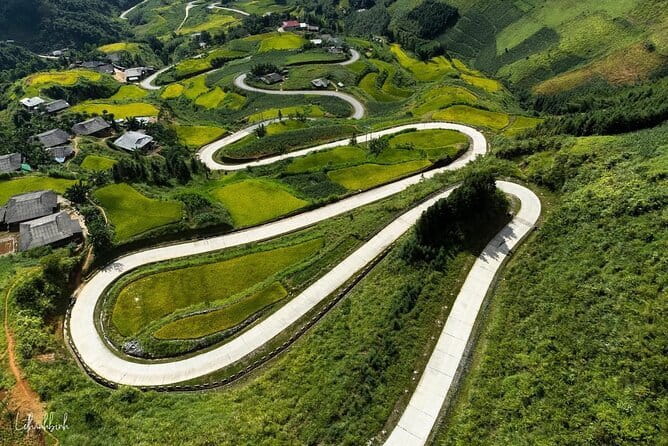
Review · SAPA TREKKING TOURS
Sapa – Ha Giang Loop Tour 5 days 4 nights
Five days, big scenery, small-group comfort.
This Sapa – Ha Giang Loop tour stitches together dramatic mountain roads and village time, starting with a Hanoi pick-up and ending in Sapa. I like the tight group size (max 10), and I also like that you get full-day structure with meals and lodging built in. One thing to consider, this is a packed route with long travel days, so it rewards an easygoing attitude.
My favorite part is how the trip balances headline sights with real human moments, like evening walks in Dong Van and village visits around Muong Hoa Valley. I also like that the tour team is consistently credited for friendly organization and strong safety focus, with standouts like Thang, Hoc, Tuyen, Vinh, Huy, and Hung Anh showing up in feedback. The possible drawback is pace, some stops are short, so if you want long stays in just one place, this format may feel rushed.
Key highlights you should care about
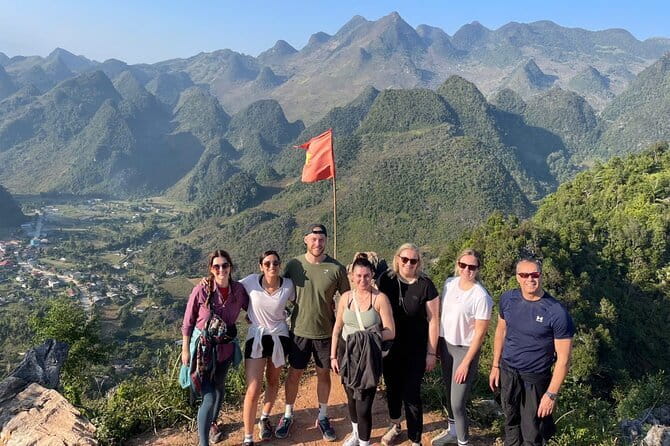
- Small-group size (max 10), which usually means more room to ask questions and fewer photo lines.
- Hanoi to Ha Giang by limousine on day 1, so you start moving early without self-planning.
- Ma Pi Leng Pass and Nho Que River as core Ha Giang Loop moments, not side quests.
- Quan Ba Heaven Gate and Dong Van Ancient Town for mountain views plus Hmong culture time.
- Sapa village circuit in Muong Hoa Valley, with Y Linh Ho, Lao Chai, and Ta Van.
- Sunrise-style start on day 5 with a bamboo-forest trek toward Giang Ta Chai waterfall.
Why this Ha Giang Loop + Sapa combo works
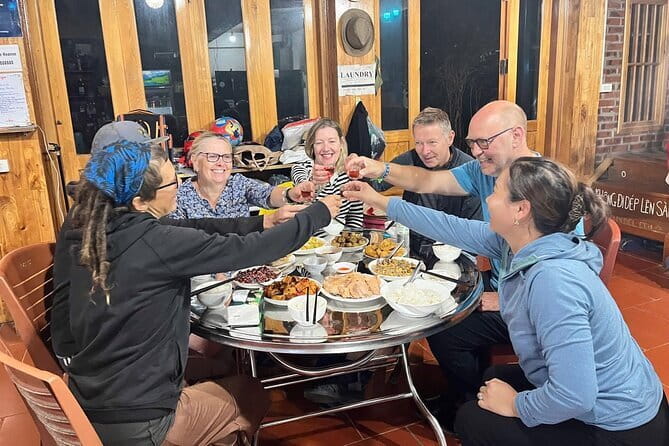
The best reason to do this specific route is simple: Ha Giang feels wild and remote, and Sapa feels more human-scale. You get both without the hassle of planning two separate trips.
On the Ha Giang side, you hit the kinds of places most people dream about when they picture the north of Vietnam, like Ma Pi Leng Pass (about 1,500 meters altitude) and Quan Ba Heaven Gate (also around 1,500 meters, roughly 43 km north of Quan Ba town). These stops give you that “I can’t believe this road exists” feeling, then you break it up with village time.
On the Sapa side, you shift toward terraced rice country and ethnic villages. Y Linh Ho, Lao Chai, and Ta Van are all described as part of Muong Hoa Valley, and that matters because the scenery and culture come together in a way that feels less like sightseeing and more like meeting a place. If you’re only doing a quick Sapa visit, it can feel like a loop of viewpoints. If you add Ha Giang, the whole trip feels more layered.
More Hanoi tours and experiences for the shortlist


Hanoi pickup and the ride north: what your days actually look like
You start from Hanoi Old Quarter with a 6:30 AM pickup, then head to Ha Giang by a luxury limousine bus. That early start is a tradeoff: you spend more time traveling, but you also maximize daylight for mountain roads and first stops.
The route then moves in a rhythm:
- travel by vehicle in long chunks,
- eat local meals,
- switch gears to short walks and village visits,
- and keep moving again the next day.
By day 3, you return to your Ha Giang-area hotel around 4 PM and then go to Sapa by bus at about 6 PM, arriving for an overnight in Sapa town. That means you should plan for evenings that feel like “transfer time,” not a free night to explore Hanoi-style.
Also, your package includes breakfasts, lunches, and dinners, plus accommodation. That’s a big part of the value. When meals are already handled, you can spend less time negotiating prices and more time enjoying the scenery and people.
Day 1 in Ha Giang: getting oriented, then heading for the quieter side
Day 1 begins with the long northbound transfer. You arrive in Ha Giang around 12:30 PM, meet your guide, then eat lunch at a local restaurant. I like this pacing because it prevents that common first-day problem, arriving hungry and jet-lagged and trying to make decisions fast.
After lunch, you head toward Du Gia. Du Gia is described as an unknown, quiet village in Ha Giang, and the point is exactly that, peace and unspoiled beauty away from the busiest routes. The upside of Du Gia is mood. The drawback is you should expect slower time. If you’re chasing constant big-view action every hour, Du Gia may feel more like a reset.
Even day 1 is built to keep you from doing logistics yourself. Your guide handles the sequence, you get meals, and you sleep somewhere organized. For a loop this remote, that’s not a minor detail.
Day 2 on the Ha Giang Loop: Nho Que River, Ma Pi Leng Pass, and Dong Van at night
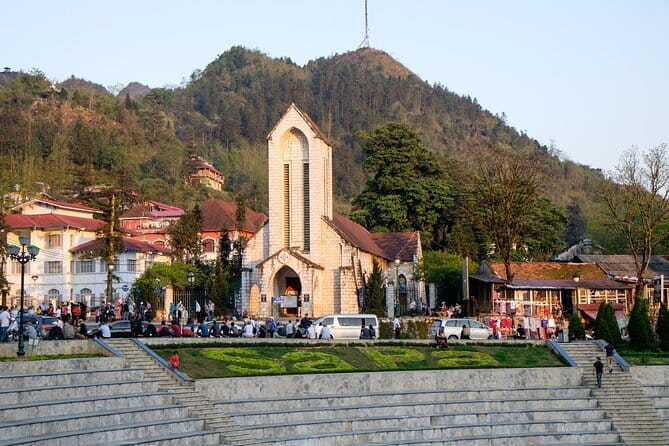
Day 2 is where the Ha Giang headlines start stacking up.
First, you stop at the Nho Que River, where the river is described with a striking blue tone. The time there is short, about 2 hours, but it’s positioned early enough that you’re not exhausted from a full day already. I’d treat it like your chance to slow down for photos and a quick feel for the valley.
Next comes Ma Pi Leng Pass, one of the region’s signature passes at around 1,500 meters altitude. This is a major highlight day because pass roads tend to deliver uninterrupted views, and this pass sits between Dong Van and Meo Vac.
Then you reach Dong Van Ancient Town. After dinner, you take a walk and you can enjoy traditional music while exchanging culture with local people, including the Hmong ethnic community. That combination is smart. You get both the scenery day and the culture night, so the trip doesn’t feel only “look at view, sit on motorbike, repeat.”
One practical consideration: this day is visually intense, so it helps to bring patience for crowds if you’re traveling in peak season. The tour’s small group size helps, but Dong Van can still be busy.
Day 3: Hmong King Palace, Quan Ba Heaven Gate, then on to Sapa
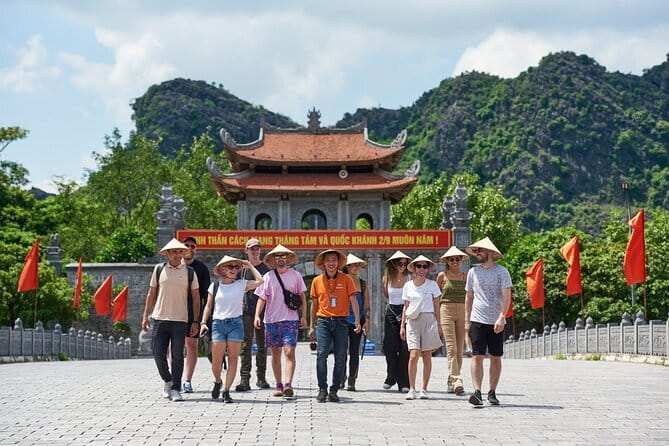
Day 3 starts at Dinh Vua Meo, also known as the Hmong King Palace or Vuong Chinh Sinh Palace. It’s described as having a history of over 100 years and serving as the seat of power for two Hmong rulers. This stop adds context. Passes and viewpoints can feel like postcards, but a palace stop reminds you there were real stakes and real community power in these valleys long before tourism took over.
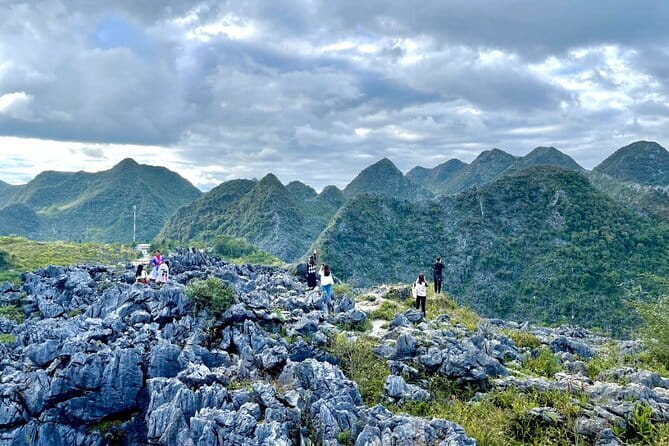
After that, you go to Quan Ba Heaven Gate, located along Highway 4C, around 43 km north of the city center, at an elevation of 1,500 meters. The time here is short, but it’s timed for impact. You’re up high, you’re looking across mountain folds, and you get that “up in the clouds” sense that Ha Giang is famous for.
The transition to Sapa is efficient. Around 4 PM you head back to your hotel in Ha Giang city, then leave for Sapa at about 6 PM, and you overnight in Sapa town. If you’re hoping to explore Sapa immediately at night, plan lightly. You’ll likely be tired, and the focus should be sleeping well for the village circuit starting day 4.


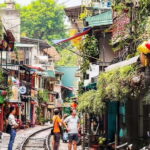
Day 4 in Sapa: Y Linh Ho, Lao Chai, and Ta Van in Muong Hoa Valley

Day 4 shifts from Ha Giang’s loop to Sapa’s village rhythm.
You start at Y Linh Ho, about 7 kilometers southwest of Sapa. It’s described as part of the Hoang Lien Son Mountain Range region, with H’Mong and Dao communities. This matters because it sets expectations. These are not just photo spots. The villages exist as living communities, and your time tends to be short walks and interaction.
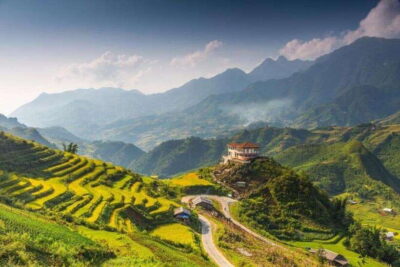
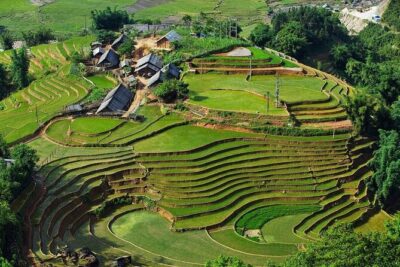
Next is Lao Chai, about 7 to 8 kilometers from Sapa town in Muong Hoa Valley. It’s known for terraced rice fields, and those terraces shape the whole look of the walk. Even when the rice isn’t at peak season, the stepped geometry still makes the valley feel “built,” not random.
Then you visit Ta Van Village, also in Muong Hoa Valley. Ta Van is described as popular for its diverse ethnic makeup, and that diversity is the point of the stop. You’re seeing how the valley villages differ from each other, even when they share the same broad geography.
Because the tour keeps the group moving, you’ll want comfy shoes with good grip. The villages can be uneven, and your best moments come when you can walk without worrying about your footing.
Day 5 in Sapa: Giang Ta Chai sunrise trek and Su Pan
Day 5 has a very different feel. It’s built around mountain morning time, starting with sunrise coffee in Giang Ta Chai Village.
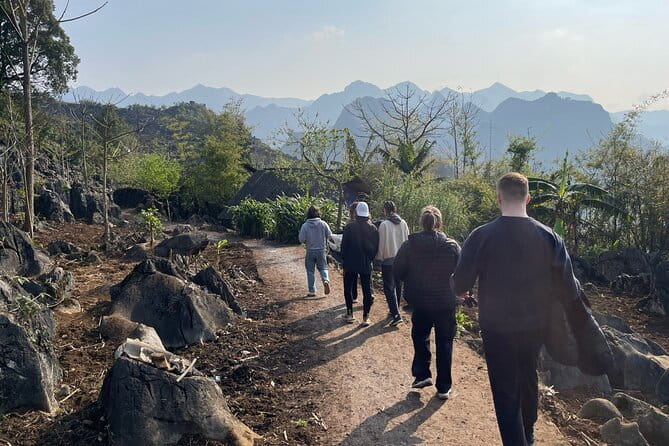
Then you eat breakfast and begin a trek through bamboo forests toward Giang Ta Chai waterfall. You cross a rattan suspension bridge, then continue into the area near the falls. This is the kind of day that gives you a break from vehicle time. If you’re choosing among Sapa add-ons, this trek piece is one reason this tour feels more memorable than just driving to lookouts.
After the trek, you go to Su Pan, a mountainous commune about 17 km from Sapa town. Su Pan is positioned as an off-main-road highland area, which usually means a quieter mood than the most central Sapa streets.
If you dislike early mornings or long walking, this is the day to think about. But if you like “one good morning walk” as part of your travel story, this is where the tour earns its keep.
Guides and riders: why the human team matters on rough roads
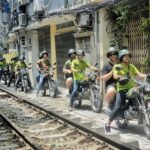
On the Ha Giang Loop, transportation isn’t only a means to an end. It’s part of the experience. This tour is organized with a small group max and includes an on-the-ground team, and the feedback makes a clear pattern: the best trips are the ones with guides who communicate well and drive safely.
Names that show up in the strongest praise include:
- Thang as a leader and organizer
- Hoc as a friendly, funny guide
- Tuyen as an amazing captain-type presence
- riders like Vinh, Huy, and Thong
- and Hung Anh, credited for making the ride feel easy and fun
Here’s how that helps you as a reader: when a team is well organized, you’re less likely to lose time. You also get better stops, because a guide who understands the route can time viewpoints and village visits when it’s practical.
Another practical win mentioned in the feedback is preparedness during bad weather. Raincoats showed up as protection, which tells me the team plans for the reality that the north can change fast.
Food and stays: meals included, homestays in the story
Your package includes:
- 4 breakfasts
- 5 lunches
- 3 dinners
- plus accommodation across the nights
Meals matter on this kind of trip. When you’re moving between valleys and villages, hunger turns into crankiness fast. With meals handled, you spend less effort deciding and more effort enjoying what’s around you.
Vegetarian meals are offered, which is a real advantage if you want to avoid last-minute searching. Still, you should plan to communicate needs clearly when you book, because the tour data only says vegetarian meals are available, not how they’re handled logistically.
Accommodation on this route often blends hotels and homestays. In the feedback, homestays are described as fantastic and a chance to meet great people along the way. That doesn’t mean luxury is guaranteed, but it does mean you’re paying for the experience, not just a room.
Price and value: is $299 a smart deal?
The price is $299 per person for about 5 days and 4 nights, with pickup and drop-off in Hanoi Old Quarter, plus meals and accommodation included. That’s the key math.
If you try to DIY this route from Hanoi, you quickly end up paying separately for:
- vehicle transfers and long-distance transportation,
- guide time (or multiple taxis and ride coordination),
- lodging each night,
- and food that’s often inconsistent once you’re on the road.
Here, meals and lodging are already bundled, and the group is capped at 10. That tends to lower the “hidden costs” feeling, like surprise admissions or constant extra spending on snacks and replacement transport.
What’s not included is also important. Drinks and personal expenses are not included. So budget for water, soda, and any extra coffees. Also, if you’re the type who hates paying attention to what’s included, this tour works best when you embrace the structure and treat it as one package trip.
Weather, timing, and what to pack for comfort
This experience requires good weather. That line matters. Mountain roads and viewpoints are the point, so the tour provider may need to adjust plans if conditions are poor.
I’d pack like this is a shoulder-season or mountain trip:
- a light rain layer (especially since rain protection came up in feedback),
- warm clothing for early mornings in Sapa,
- sturdy shoes for uneven village paths and bridge crossings,
- a small day bag for water and snacks,
- and sun protection.
You’ll also benefit from keeping expectations realistic about timing. Day 3 includes both a return to Ha Giang city and an evening bus to Sapa. That means you won’t have a long midday break to reset. When you treat these days as a moving schedule, you enjoy them more.
Who this tour is best for
This tour fits best if you want:
- a guided Ha Giang Loop tour from Hanoi without needing to drive,
- a small-group pace (max 10) with room to talk to your guide,
- major Ha Giang highlights plus Sapa village time,
- and a trip that includes meals and lodging so you can stay flexible.
It may be less ideal if:
- you want lots of free time in each town,
- you dislike early starts and transfer evenings,
- or you want deep exploration of just one area instead of doing both Ha Giang and Sapa.
Most people can participate, but you should still consider your comfort with day-by-day walking and mountain roads.
Should you book this Sapa – Ha Giang Loop Tour?
Book it if you want the most efficient mix of Ma Pi Leng Pass, Quan Ba Heaven Gate, Dong Van Ancient Town, and Sapa’s Muong Hoa Valley villages in one organized package. The $299 price makes sense because meals and lodging are included, and the small-group limit helps the experience feel personal instead of chaotic.
Don’t book it if you’re chasing a slow travel style with long free afternoons in one place. This route is for people who like motion, clear schedules, and seeing a lot in a short time.
One more practical tip: the tour is often booked about 28 days in advance on average, so if your dates are fixed, don’t wait too long to lock it in.
FAQ
How long is the Sapa – Ha Giang Loop Tour?
It runs for about 5 days, with 4 nights.
What’s included in the price?
The package includes pickup and drop-off in Hanoi Old Quarter, accommodation, and all meals (4 breakfasts, 5 lunches, and 3 dinners).
Are drinks included?
No. Drinks and personal expenses are not included.
Is a pickup offered from Hanoi?
Yes. Pickup is offered in the Hanoi Old Quarter, and the trip starts with a luxury limousine bus.
How big is the group?
The tour is limited to a maximum of 10 travelers, and it’s described as a small group of 6 to 10.
Do you provide tickets or access for attractions?
Some activities list admission ticket included, while others show admission ticket free. The data specifically notes Nho Que River and Dinh Vua Meo as included.
Is vegetarian food available?
Yes. Vegetarian meals are offered.
What if weather is bad?
The experience requires good weather. If it’s canceled due to poor weather, you’ll be offered a different date or a full refund.
More 5-Day Experiences in Hanoi


More Tours in Hanoi
- Ninh Binh Full-Day Tour from Hanoi to Hoa Lu, Tam Coc & Mua Cave Via Boat & Bike
★ 5.0 · 4,384 reviews

More Tour Reviews in Hanoi
Not for you? Here's more nearby things to do in Hanoi we have reviewed







More Sapa Trekking Tours to consider.
 ★ 5.0Sapa 2 Days 1 Night From Hanoi – Overnight in Ta Van VillageTickets from $592,669 traveller reviews
 ★ 5.0Hanoi – Sapa 2 Days 1 Night Overnight At HomestayTickets from $89899 traveller reviews
 ★ 4.6Sa Pa: Muong Hoa Valley Trek and Local Ethnic VillagesTickets from $23864 traveller reviews
 ★ 5.0Sapa: Fansipan Cable, Cat Cat Village & Moana Instagram TourTickets from $30777 traveller reviews
 ★ 4.8From Hanoi: 2-Day Sapa Trekking Trip with Homestay & MealsTickets from $71704 traveller reviews
 ★ 5.0Sapa 3 Days 2 Nights Trekking Tour (1 Night In Ta Van Village, 1 Night In Hotel)Tickets from $139699 traveller reviews
 ★ 4.9Sapa: Eco Adventure Terrace Fields and Local Villages TrekTickets from $27636 traveller reviews
 ★ 5.03-Day Trekking Adventure of Sapa from Hanoi – Stay Ta Van VillageTickets from $109611 traveller reviews
More useful Hanoi routes