
Review · SAPA TREKKING TOURS
3 Days SAPA Real Experience at Local People House
A homestay beats a tour bus here. This Sapa trip ties sleeper-bus comfort to two nights with local families, plus village treks and full meals.
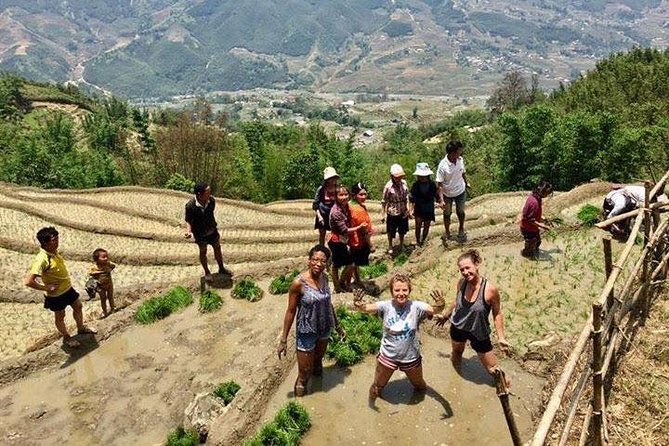
I love the hands-on work and cooking, where you do real tasks with your hosts, not just pose for photos. I also love the small group size, capped at 15 people, which keeps the pace human and makes it easier to ask questions through the local English speaking guide.
One consideration: this isn’t a stroll. The hiking can be long, and the operator notes it is not recommended for anyone over 60 or with physical difficulties.
Quick hits before you go
- Two nights homestay in a local people house, so daily life feels normal, not staged
- Cooking with hosts and spending time on the fields, including simple farm routines
- Hanoi to Sapa and back by sleeper bus, with air-conditioning and a blanket
- Multiple village treks that focus on minority community life in the Sapa area
- Meals included throughout, with breakfast, lunch, and dinner using local food
- Local English speaking guide in Sapa, plus time built in for explanations and photos
Why this Sapa real-people setup feels more authentic
Sapa is popular for a reason, but most trips turn into a loop of viewpoints. This one is different because the main “activity” is life with people, not just walking paths.
You start with a full logistics package. The Hanoi to Sapa transport runs by sleeper bus both ways, and once you arrive, your guide keeps you moving between villages with a clear rhythm. Then it slows down at the homestay, where cooking and field time are part of the day.
Two names come up again and again in the host stories, Mama Zuzu and Mama Letti. That matters, because it hints at the tone of the stay: warm, family-focused, and very hands-on. In plain terms, you’re not treated like a pass-through.
More Hanoi tours and experiences for the shortlist


Price and logistics: what the $98 covers (and why it can be good value)
For about $98 per person, you’re paying for more than a trek. Included in the package are round-trip sleeper buses from Hanoi to Sapa and back, air-conditioning and a blanket on the bus, two nights of homestay accommodation, and entrance fees. On top of that, you get a local English speaking guide in Sapa, plus cooking and field experience.
Most “cheap” options for Sapa separate costs into dozens of add-ons: transportation, guide time, meals, and lodging. Here, the structure is bundled. That can make budgeting easier, and it reduces the stress of figuring out where to go each day.
There are still a couple of costs you must expect. Travel insurance is not included, and visa fees are also not included. Also, pick up and drop off outside Hanoi Old Quarter is not included, so plan to get to the start location inside the Old Quarter area.
Hanoi departure at 6:30 am: the part that shapes your whole trip
The schedule starts early. You should be at the meeting point at 166 Đ. Trần Khánh Dư, Lý Thái Tổ, Hoàn Kiếm, Hà Nội at 6:30 am. The bus staff pick up your group by name and transfer you to the sleeper bus for the Sapa leg.
That early meeting time changes how you should pack. Keep essentials in day-one reach, like water, a light layer, and anything you need for a long ride. The tour includes a blanket on the sleeper bus and air-conditioning in the bus, so you’re not totally at the mercy of comfort levels. Still, it is a long travel day flow, so plan for less sleep and more wakefulness early on.
If you’re thinking about where to stay in Hanoi, being near the Old Quarter start point is smart. This tour does not promise pickup outside that area.
Day 1: terrace fields to homestay, then Ta Van village time
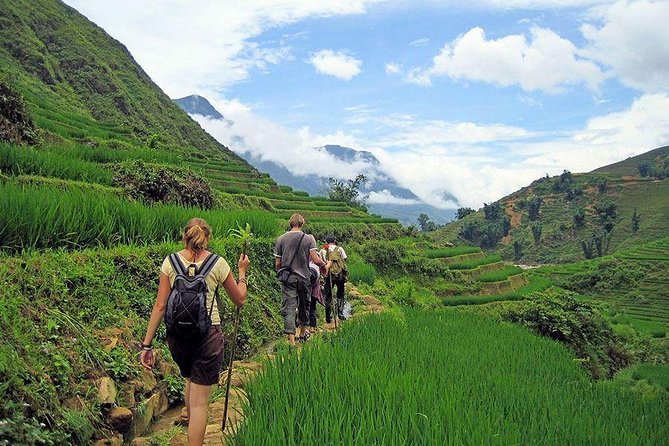
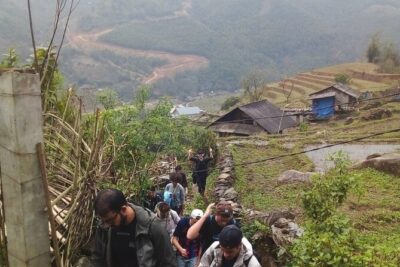
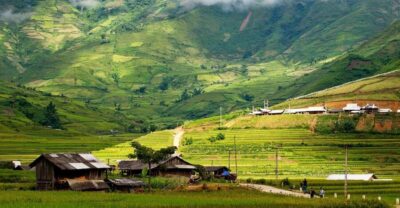
Day 1 begins with Hanoi, then shifts into “arrive and move” mode. After pickup at the start point, you travel to Sapa. Once you reach the area, you trek about 12 km through terrace fields to the homestay.
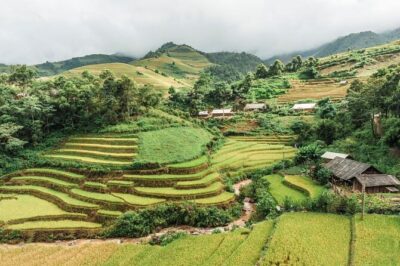
That terrace trek is one of the core experiences because it sets the tone. Instead of being dropped at a viewpoint, you’re walking through the same kind of working terrain that shapes everyday village life. Expect a steady physical effort, not a quick photo stop.
In the afternoon and into village time, you head toward Ta Van village via another trekking segment. The purpose here is more than scenery. The idea is to see how minority community life feels in practice, in simple houses and daily routines that are very different from city schedules.
Day 1 is long by design. You’re likely to feel it most the next morning, so take the first homestay night as recovery time, not as a chance to cram one more thing.
Day 1 meal plan: what’s included and how it works
Meals are included across the three days, with breakfast, lunch, and dinner. The schedule is listed as 2 breakfasts, 3 lunches, and 2 dinners with local food.
That matters because rural homestays can mean uneven meal options when you show up unplanned. Here, you’re not trying to solve dinner after a long trek. You cook and eat as part of the family rhythm, which usually means simpler food and a more relaxed setting.
It also means you should come prepared to eat like you’re living there for a couple of days. That can be a fun reset if you like home-style meals.


Day 2: another village trek, field routines, and the longer walking day
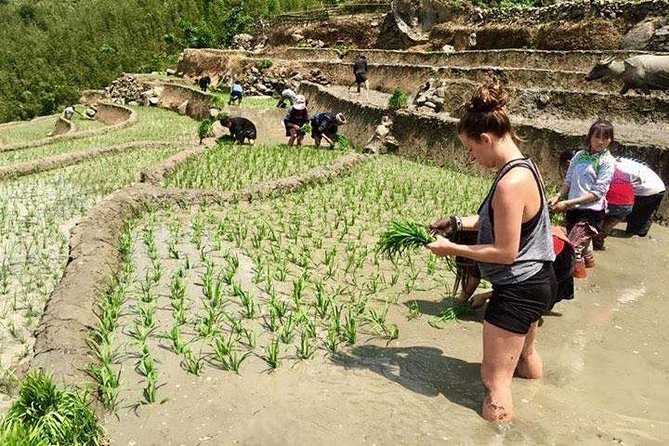
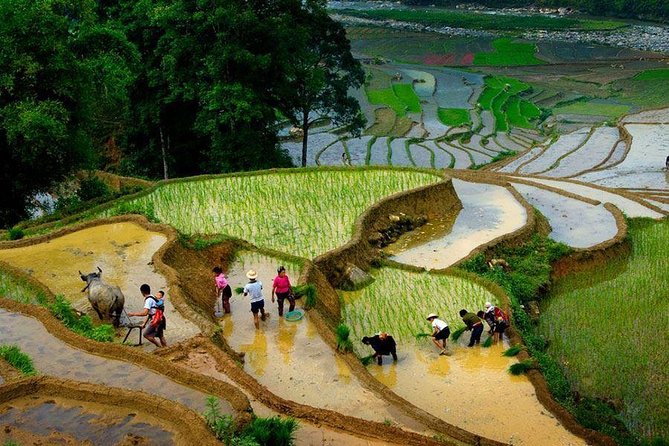
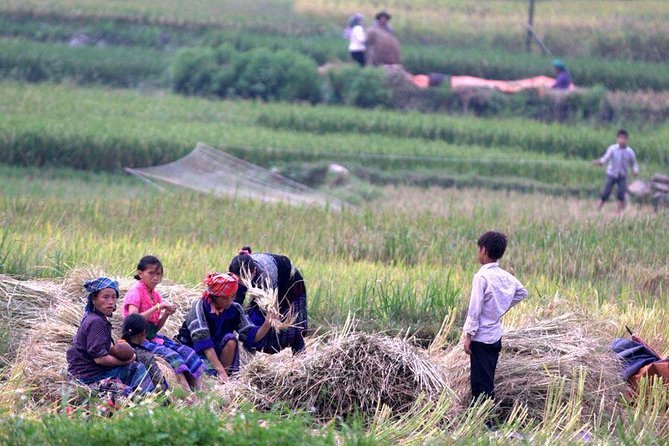
After breakfast on Day 2, the guide takes you trekking to a village that is farther from the homestay. The focus is on ethnic people working their fields, with learning built around everyday farm tasks.
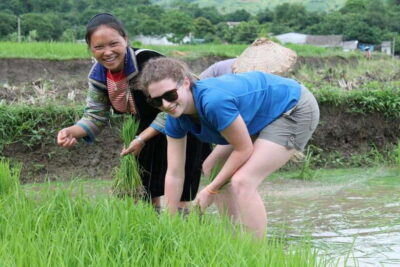
The tour description highlights learning activities like planting rice or potatoes, depending on what the fields are set up to do. You’re not just watching. You’re meant to experience daily life, which is why field time is part of the overall value of the homestay approach.
This is where you’ll feel the “real” part the most. The trek is listed as around 12 hours for the Day 2 segment, so this day is not a light activity day. If you’re sensitive to long walks, bring that up before you go. In past host responses, the team suggested that if difficult hiking is a concern, you should inform them ahead of time so alternatives can be found.
That small tip can make a big difference. In this kind of trip, your comfort level shapes everything from photo stops to how much you enjoy conversations with your hosts.
Day 2 pacing tips: how to make the long day feel worth it
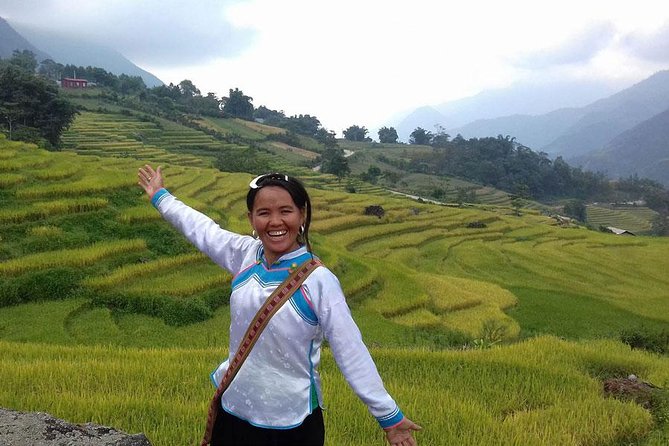
Because Day 2 stretches long, you should think in terms of energy management. Start steady on the first portion of the trek, then don’t sprint for photos. Pace yourself so you can still pay attention when you reach the community areas.
Also, treat water and small snacks as non-negotiable even though meals are included. The provided package covers meals, but trekking days often mean you want extra sip breaks. The tour includes meals, not a constant stream of extras.
Most importantly, ask questions whenever the guide pauses. A local English speaking guide can explain the work patterns, the reasons behind planting schedules, and what a normal day looks like. Those conversations are often what you remember years later.
Day 3: wake with your host, cook breakfast, optional trek through bamboo
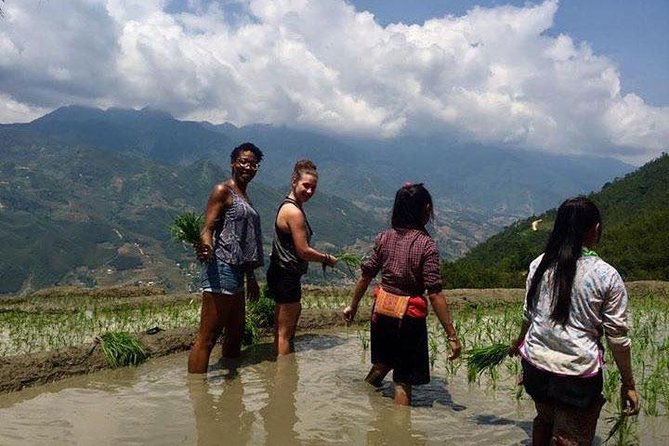
Day 3 starts with an early routine. You can wake up a bit early to see how your host starts the day. Then you join in cooking breakfast together.
This is one of my favorite parts of any homestay style trip. You’re not just eating what’s offered. You’re learning how a family prepares the morning, which makes the place feel lived-in rather than visited.
After breakfast, the itinerary gives options. One listed option is trekking to further villages and scenery through a bamboo forest, with the Day 3 trekking segment around 4 hours.
If you choose the trek, think of it as a chance to wrap up the trip with a calmer final push. After two long days, that four-hour window can feel like a satisfying, contained finale.
Then at 15:30, you get on the sleeper bus back to Hanoi, arriving around 21:30 in the Old Quarter area. The timing is clear enough that you can plan your Hanoi evening without guessing.
Homestay and family time: simple rooms, real relationships
You’ll have two nights in a local people’s house. The accommodations are described as simple but fine, and the important part is that they’re still a real home environment.
This isn’t a resort. It’s a place to slow down, share meals, and participate. Cooking with your hosts and joining field routines are explicitly included, which is why the homestay works here as more than a bed.
From the host-centered feedback about Mama Zuzu and Mama Letti, the vibe sounds caring and direct. That’s a good sign for first-timers because you’re more likely to be guided through daily routines instead of feeling lost.
You should still pack with realistic expectations. Simple homestays usually mean fewer comforts than hotel stays. The included blanket helps on the bus, but the homestay itself is a different category of comfort.
The guide and your small group: 15 people keeps it human
The group limit is maximum 15 travelers. That’s the sweet spot for a village-based trek. Big groups can turn conversations into noise and can force you to follow without understanding. With fewer people, the local English speaking guide can keep explaining.
Photo time is built in, which matters. These trips tend to attract people who want to document their walk and the people’s daily work. Having a guide help time photos prevents you from losing the thread of the day.
This is also where the “local host” angle matters. You’re with someone who can explain what you’re seeing in plain language. That’s one of the best ways to avoid walking through unfamiliar places like a camera on legs.
What to pack and how to prepare (so you enjoy the walking)
The tour involves treks on terrace fields and through village areas, plus a longer walking day. Even though specific gear lists are not provided, you can plan around the known demands.
Bring comfortable footwear that handles uneven ground. Pack layers because Sapa can feel chilly, and you also have air-conditioning on the sleeper bus. Keep rain protection in your daypack, since mountain weather can change fast.
Also, remember the tour is not recommended for people with physical difficulties, and it is not recommended for those over 60. If you fall into either category, you may find the trek timing and long day structure challenging.
Finally, get travel insurance before you go. It’s explicitly listed as not included, and for a physically active trek, it’s smart common sense.
Who this tour suits best (and who might want a different style)
This works well if you want a rural village experience with real participation, cooking, and field time. If you like meeting families, learning how work ties to the seasons, and walking between villages in a guided group, you’ll likely enjoy it.
It also suits people who are comfortable with long days. Day 1 includes major trekking, and Day 2 is listed with a long time window. If you want lots of downtime, you may feel the schedule is full.
It is also best for people who are okay with simple accommodation. The homestay is included and part of the point, but you should not expect hotel-level comfort.
If you’re older or have mobility limits, the operator’s guidance is clear. Consider a gentler alternative that matches your pace.
Should you book this 3-day Sapa Local People house trek?
Book it if you want value that comes from included transport, lodging, meals, and an authentic day-to-day rhythm. The $98 price makes more sense when you see what you’re getting: sleeper bus to and from Hanoi with air-conditioning and a blanket, two homestay nights, meals across three days, and guided trekking plus cooking and field experience.
Think twice if you dread long hikes or need a trip with minimal physical effort. The schedule is built around trekking, and the operator explicitly warns against over 60 or physical difficulties.
If you book, do one smart thing that can improve the whole trip: communicate any concerns about hiking difficulty to the operator ahead of time. The host team has shown they can adjust routes when needed.
If your goal is to leave Sapa with more than photos, and you’re willing to walk and share a couple of family meals, this is a strong choice.
FAQ
How long is the Sapa experience?
It runs for approximately 3 days.
How much does it cost, and what is included in that price?
The price is $98.00 per person and it includes round-trip sleeper bus transport between Hanoi and Sapa, 2 nights in a local people’s house, meals as listed, entrance fees, trekking time, and a local English speaking guide in Sapa.
Where do we meet in Hanoi, and what time does it start?
The meeting point is 166 Đ. Trần Khánh Dư, Lý Thái Tổ, Hoàn Kiếm, Hà Nội, Vietnam. Start time is 6:30 am.
What kind of transport is included for Hanoi to Sapa and back?
Return transportation Hanoi to Sapa to Hanoi is included by sleeper bus. The sleeper bus has air-conditioning and includes a blanket.
What meals are included during the trip?
Meals are included as listed: 2 breakfasts, 3 lunches, and 2 dinners with local food.
Where do we stay?
You have accommodation in a local people’s house for 2 nights.
How many people are in the group?
The tour has a maximum of 15 travelers.
Is a guide included?
Yes. There is a local English speaking tour guide in Sapa, and the plan includes photo taking time and trekking time.
Is travel insurance included?
No. Travel insurance is not included, and you should get it before you go.
More 3-Day Experiences in Hanoi


More Tour Reviews in Hanoi
Not for you? Here's more nearby things to do in Hanoi we have reviewed








More Sapa Trekking Tours to consider.
 ★ 5.0Sapa 2 Days 1 Night From Hanoi – Overnight in Ta Van VillageTickets from $592,669 traveller reviews
 ★ 5.0Hanoi – Sapa 2 Days 1 Night Overnight At HomestayTickets from $89899 traveller reviews
 ★ 4.6Sa Pa: Muong Hoa Valley Trek and Local Ethnic VillagesTickets from $23864 traveller reviews
 ★ 5.0Sapa: Fansipan Cable, Cat Cat Village & Moana Instagram TourTickets from $30777 traveller reviews
 ★ 4.8From Hanoi: 2-Day Sapa Trekking Trip with Homestay & MealsTickets from $71704 traveller reviews
 ★ 5.0Sapa 3 Days 2 Nights Trekking Tour (1 Night In Ta Van Village, 1 Night In Hotel)Tickets from $139699 traveller reviews
 ★ 4.9Sapa: Eco Adventure Terrace Fields and Local Villages TrekTickets from $27636 traveller reviews
 ★ 5.03-Day Trekking Adventure of Sapa from Hanoi – Stay Ta Van VillageTickets from $109611 traveller reviews
More useful Hanoi routes