
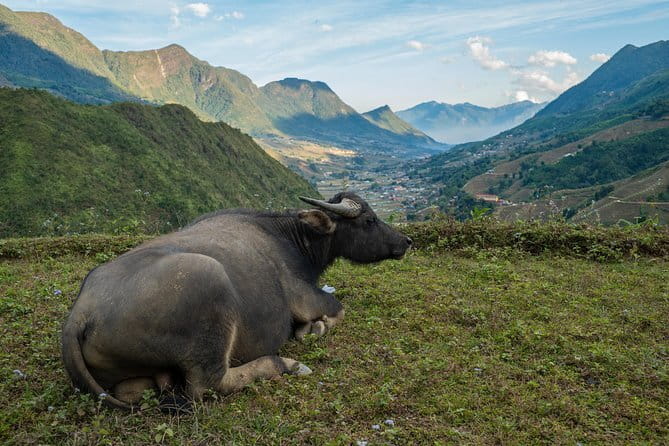
Review · HIKING & TREKKING
3 Day 2 Night Trek
This trek is all about slow steps, real villages, and big views of Sapa. What I like most is the chance to walk with English-speaking native guides who know the Hmong and other ethnic groups, and the fact that you sleep in a homestay or local house where daily life is part of the experience. You also get a thoughtful pace, with time for sunrise, sunset, and village conversations along the way.
One possible drawback to plan for is the physical side. You should have moderate fitness, because you are trekking through terraces and valleys, including about 12 km on Day 1.
Key highlights you will care about
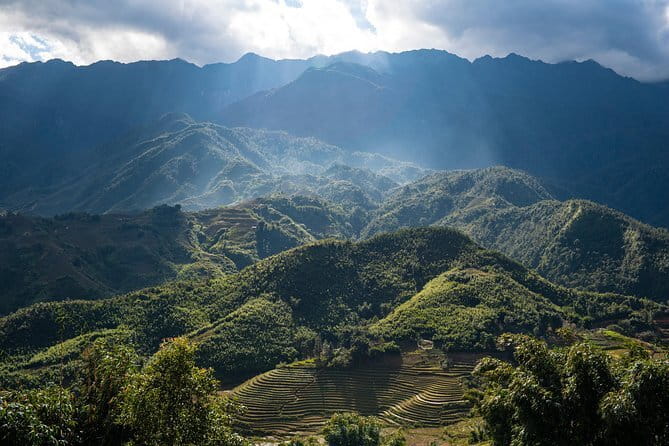
- Giang’s hands-on guidance: a guide who can adjust routes and even help with logistics like getting from Hanoi to Sapa
- Tribal villages you actually visit: Hmong, Dzao, Tay, and Red Dzao communities around Lao Chai, Ta Van, Su Pan, Ban Ho, and Nam Toong
- Homestays with comfort options: wifi and hot showers when you choose a homestay, plus time to chat with your host family
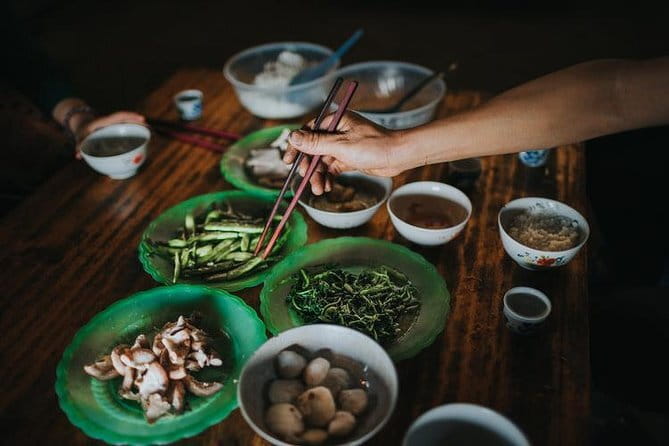
- Food built into the trek: breakfasts, lunches, and dinners are included, often shared in village settings
- Less-tourist feeling: walking through rice terraces and valley paths where you are unlikely to see many other visitors
- A purpose beyond photos: fair wage support for local Hmong guides and communities in a region where poverty is widespread
English-speaking local guides, especially Giang, who steer the trek
The best part of this kind of Sapa trek is not just the scenery. It is who you walk with, and whether your route makes sense day to day. This tour pairs you with one of the local English-speaking guides, often someone like Giang, who is known for being practical and responsive about timing and pacing.
One of the reviews I found especially useful was how Giang helped with more than the mountains. She suggested ways to get from Hanoi to Sapa, arranged a taxi to pick up a guest from the bus office, and helped with luggage storage. That matters because Sapa is easier when you are not scrambling at the last minute, especially when you have bags, bus schedules, and trekking gear to think about.
You’ll also notice that the guides are not just translating words. They are guiding choices: where to stop, when to take views in, and how to shape the day so you are not rushing through village life. That is how the trek stays more relaxed, and it also explains why people consistently rate this tour so high.
Another quiet advantage is continuity. On routes like this, you are often better off when the guide knows both the walking parts and the cultural parts, so you are not bouncing between random helpers. Here, you are accompanied by the guide and supported by local family members during meals and overnight time.
You can also read our reviews of more evening experiences in Hanoi

Day 1: Y Linh Ho, Muong Hoa Stream, Lao Chai, and Ta Van sunset
Day 1 sets the tone with a mix of classic Sapa trekking and very specific village encounters. You start by seeing traditional costumes from ethnic groups such as Hmong, Dzao, Tay, Zay, and Xa pho. It is a good first moment to understand that this area is not one single culture, but a whole patchwork of communities.
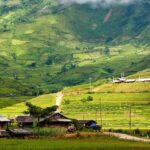
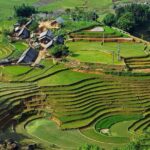
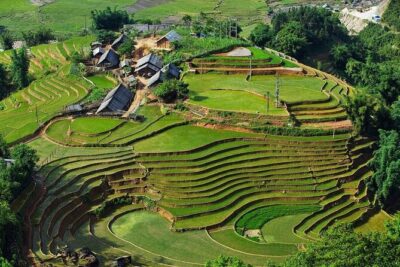
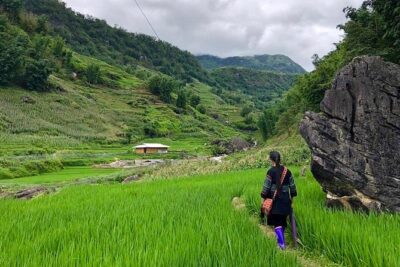
From there, you visit Y Linh Ho, then begin trekking through rice terraces and along the Muong Hoa Stream. The walk leads you to the Black Hmong village of Lao Chai, with Hoang Lien Son mountain views in the background. If you care about photos, this is where the region starts to look postcard-pretty, but the more important part is how the villages connect to the walking paths and water.
Then you transition toward Ta Van in the late afternoon. This is where Dzay (also spelled in similar ways depending on translation) ethnic people live, and the timing is smart. Late afternoon gives you a chance to slow down and actually land in the place, rather than arriving right before dark with everyone still busy.
After trekking about 12 km for roughly 3.5 hours, you check in at your homestay or local house and meet the Dzay family. You’ll spend time getting to know your hosts, watch the sunset, and share the day with a real household rhythm. Your dinner is either with the family or on your own at the homestay, depending on how your host chooses to handle the evening.
A small but meaningful detail: this is not only a walk into nature. You are turning that first day into a social one, which is a big reason people remember this trek long after the photos fade.
Day 2: rice terraces and bamboo forest, then Su Pan lunch and Ban Ho village life
Day 2 starts with breakfast prepared by your host family or your local house. That alone can make the day feel different from a standard group hike, because you are not eating in a restaurant, you are stepping into how people cook and start the day where you are staying.
You trek through rice fields with big open views, then into a bamboo forest. The path through bamboo breaks the day up, so it feels like more than one long straight walk. You also stop for a panoramic view of Ta Van to Giang Ta Chai village, the home of Red Dzao people.
Then you move toward Su Pan, where you have lunch at the home of Hmong or Dzao hosts. This is a key moment because lunch here is not just calories. It is another check-in with community life, and it can help you understand why the tour places such emphasis on village stays and local connections.
After lunch, the trek continues through rice terraces and along the valley. The important word here is peaceful. The route is designed so you are unlikely to see many other tourists, which makes the walk feel quieter and more personal.
In the afternoon, you approach Ban Ho village and check in at your next homestay. Ban Ho is another strong cultural stop, because you are again meeting a Tay family. Depending on the day and what your hosts have going on, you may get the chance to join farming or cooking, then spend the evening eating dinner and chatting.
This is also where the trek feels more balanced. A Day 1 introduction, a Day 2 deeper village immersion, and then a Day 3 lighter wrap-up with sunrise and a final village walk.
Day 3: sunrise breakfast in Ban Ho, Nam Toong village, then back to Sapa
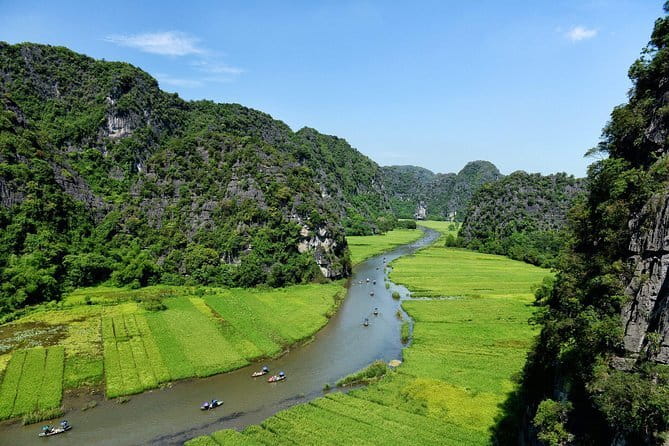
Day 3 is the kind of finish you remember because it starts early. You watch sunrise and eat breakfast prepared by the Ban Ho family. Even if you are not a morning person, sunrise in the Sapa hills has a way of making you slow down. It is also a good reset after two trekking days, because you are awake, fed, and calm before the final walk.
Next, you trek through Nam Toong village, home of Tay and red Dzao people. This is your last on-route village stop, and it is a chance to compare how different families and communities live in the same mountain region. Lunch happens either at a restaurant or a local house, depending on what the guide and hosts plan for that day.
After lunch, you return to Sapa. The return is typically the moment when you realize how quickly your body learned the trekking rhythm. Two nights in the villages and three days of walking means you feel like you traveled with the community, not just around it.
Homestays, food, and evenings by the open fire
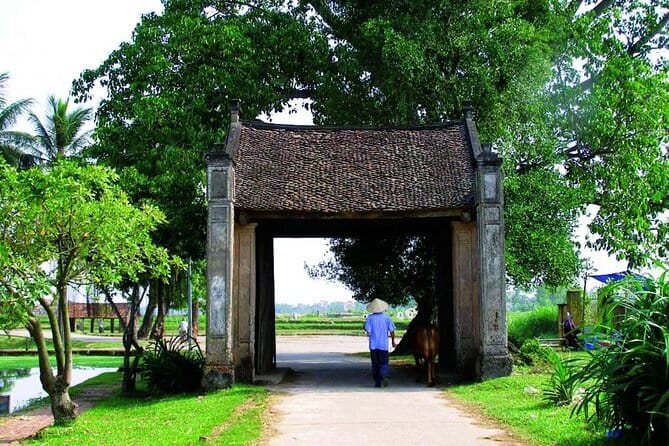
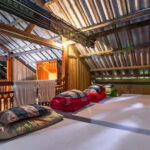
The homestay side of this trek is not a random add-on. It is the core of why this feels like more than a hiking package. Your overnight options include staying in homestays with wifi and hot showers, or staying in an authentic local house with a family. If you are trying to balance real village life with basic comfort, this tour gives you a real choice rather than forcing one style.
Food is included. You get two breakfasts, three lunches, and two dinners, which is a big value factor because meals inside Sapa can add up. More than that, the meals are tied to the hosts, so the food becomes part of the story you are living, not just a stop to refuel.
One evening highlight mentioned in the tour description is gathering around an open fire with rice wine and local delights. Even if you do not drink, it is still a social moment that helps you connect with your hosts. Huddling around firelight, listening to the household pace, and asking simple questions in broken language can go a long way.
Then there is the practical side. Homestays mean you are not always packing and moving your gear every few hours. You settle in, chat, and get a shower when you choose the homestay option. That is a real comfort upgrade if you want this to feel like an experience, not a hardship trip.
You can also read our reviews of more hiking tours in Hanoi

$180 value, private group feel, and what is actually included

At $180 per person for about 3 days, you are paying for more than walking. This price supports an English-speaking local guide, village meals, overnight stays, and the route design meant to avoid the busiest tourist trails.
The included meals matter a lot. You get 2 dinners and 3 lunches, so you are not budgeting for every meal on top of the tour price. That is how you keep the trip from turning into a surprise expense.
The tour is also private, which can be a huge quality upgrade. Private groups usually mean fewer compromises. Your guide can pace for your group, and you can ask questions without feeling like you are fitting into a large crowd.
There is also an ethical layer. Booking with Sapa Tribal Trekking is described as supporting local Hmong guides and local people with fair wages, in a region where 70% of the population is below the poverty line. For me, that makes the experience feel more grounded. You are spending money that is meant to stay in the community rather than just passing through it.
Practical add-ons help too. Pickup is offered, group discounts are available, and you receive a mobile ticket. Those details can reduce stress if you are combining this trek with other days around Hanoi and Sapa.
Who should book this 2-night Sapa tribal trek (and who should reconsider)
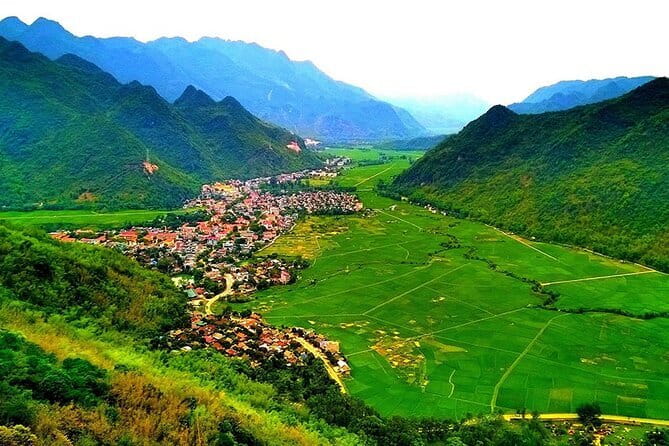
This is best for you if you want a trek with cultural stops, homestays, and time to talk to host families, not just a checklist hike. If you like walking that mixes rice terraces with village life, you will probably enjoy the rhythm here.
It is also a good fit if you value guide quality. The repeated praise for a guide like Giang, plus the way she helped with logistics and route planning, shows that this tour can work well even if you are arriving in Sapa for the first time.
You should reconsider if you are looking for a very easy walk or a fully hotel-based trip. The tour asks for moderate physical fitness, and Day 1 includes a solid trek of about 12 km for around 3.5 hours. Even if you are fit, you should plan to feel trekking muscles by the end of Day 1.
If you have medical conditions, the guidance is to consult a medical practitioner before booking. That is the right move for a mountain trek, even when the pace is guided and flexible.
Should you book this Sapa Tribal Trek?
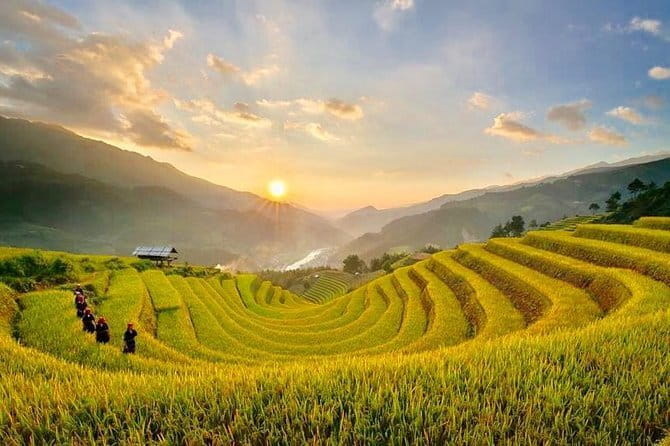
If you want your Sapa days to include homestays, village conversation, and walking paths that feel quieter, I think this is a strong booking choice. The best reason is not just the views, it is the combination of English-speaking local guidance, included meals, and overnight stays that keep you connected to the families you meet.
Book this if you can handle a moderate trekking pace and you are excited to spend evenings learning family routines, eating shared meals, and possibly sitting by the open fire with rice wine. Skip it if you want a fully independent trip with no community involvement, or if you are hoping for minimal walking.
One more practical note: good weather matters for this trek. If conditions are poor, it may be rescheduled or refunded, so choose dates with a little flexibility.
FAQ
How long is the trek?
It runs for 3 days (approximately) with 2 nights, starting at 9:00 am and ending back at the meeting point.
Where does this tour start?
The meeting point is 690 Đường Điện Biên Phủ, TT. Sa Pa, Sa Pa, Lào Cai, Vietnam.
What meals are included?
Breakfast is included for 2 days, lunch is included for 3 days, and dinner is included for 2 days.
Do I stay in a hotel?
No. You stay overnight in homestays or in an authentic local house with a local family.
What fitness level do I need?
The tour asks for travelers with a moderate physical fitness level.
Is this tour private?
Yes. This is a private tour/activity, and only your group participates.
What is the cancellation and weather policy?
You can cancel for a full refund up to 24 hours in advance. If the experience is canceled due to poor weather, you will be offered a different date or a full refund.
More Hiking & Trekking Tours in Hanoi
More Evening Experiences in Hanoi

More Tour Reviews in Hanoi



Not for you? Here's more nearby things to do in Hanoi we have reviewed







More Hiking & Trekking to consider.
 ★ 5.0Halong Bay Full Day with Kayaking, Hiking viewpoint, Cave – Deluxe To LuxuryTickets from $38884 traveller reviews
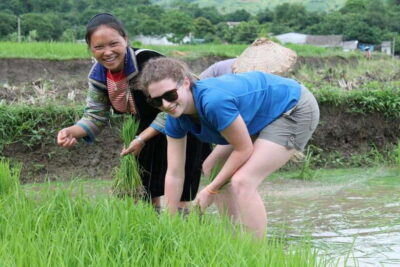 ★ 4.6Sa Pa: Muong Hoa Valley Trek and Local Ethnic VillagesTickets from $23864 traveller reviews
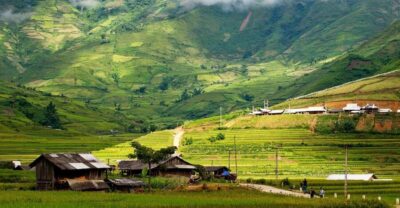 ★ 4.8From Hanoi: 2-Day Sapa Trekking Trip with Homestay & MealsTickets from $71704 traveller reviews
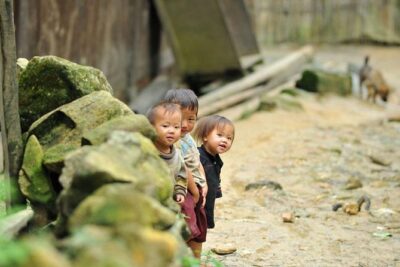 ★ 5.0Sapa 3 Days 2 Nights Trekking Tour (1 Night In Ta Van Village, 1 Night In Hotel)Tickets from $139699 traveller reviews
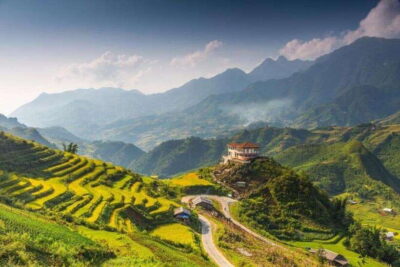 ★ 4.9Sapa: Eco Adventure Terrace Fields and Local Villages TrekTickets from $27636 traveller reviews
 ★ 5.03-Day Trekking Adventure of Sapa from Hanoi – Stay Ta Van VillageTickets from $109611 traveller reviews
3D and 2N Lan Ha Bay Cat Ba Island Kayaking & Trekking with VegaTickets from $365593 traveller reviews
★ 5.03-Day Trekking Adventure of Sapa from Hanoi – Stay Ta Van VillageTickets from $109611 traveller reviews
3D and 2N Lan Ha Bay Cat Ba Island Kayaking & Trekking with VegaTickets from $365593 traveller reviews
 ★ 5.0Number one top rated ethical cultural trekking and homestay by ETHOSTickets from $93456 traveller reviews
More useful Hanoi routes