Review · HANOI
20 -Day Highlights of Vietnam, Cambodia & Thailand | Best 2026-27
This route links big-name icons with smaller moments. Hanoi to Halong feels efficient, and the trip keeps moving without wasting whole days. You also get a private-driver start in Hanoi and then a clear rhythm of flights, buses, and organized sightseeing.
What I like most is the mix of sights and hands-on time. The Hoi An cooking class at Red Bridge Cooking School gives you a real skill you can take home, and the schedule includes major stops like Angkor Thom plus river life in the Mekong.
One possible drawback: you’ll have less true free time than a purely independent trip. With early starts (like the Halong sunrise day) and multiple transfers, it’s best if you like a structured itinerary more than slow wandering.
Key points if you want the quick take

- Small group size (max 12) helps you move smoothly through crowded sights
- Private airport meet in Hanoi reduces stress on arrival
- Major site coverage from Halong to Angkor, with planned pacing and guides
- Red Bridge Cooking School adds a practical, memorable experience in Hoi An
- River days in Cai Be and the Mekong go beyond just photos of boats
- Phuket leisure days give you recovery time at the end
Value for $2,680: what this itinerary includes, and why it matters
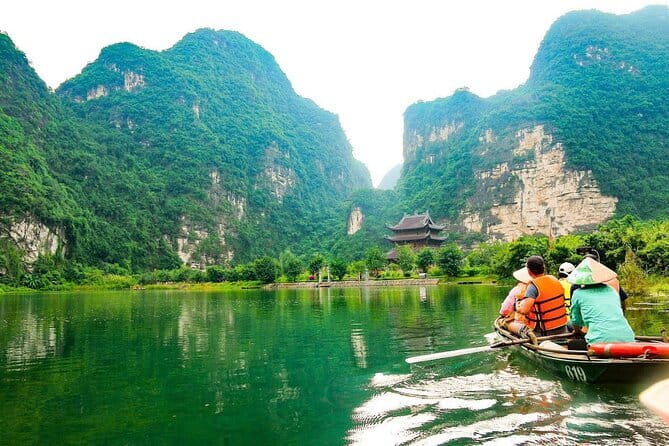
At $2,680 per person, this isn’t a budget bare-bones deal, but it is also not just a badge-and-brochure price. You’re paying for a full logistics chain across three countries, including domestic flights and transport by air-conditioned vehicle.
What makes the price feel more reasonable is that the package lists accommodation in a private room, a tour guide, entrance fees for included stops, and meals like breakfasts (21) plus lunch (9) and dinner (the package lists dinner as included). In practice, that can cut down on the usual add-ons that make multi-country tours feel more expensive once you’re already on the ground.
Still, you should check meal coverage in detail with the operator for your exact dates, because the itinerary shows many full days where you might also want flexibility on your own. If you like knowing most costs are settled, this model will feel comfortable.
You can also read our reviews of more tours and experiences in Hanoi.

Hanoi day 1: a private meet that actually helps
Day 1 starts with a classic pain point solved: your private driver meets you at the airport, holding a sign with your name, then escorts you straight to your central hotel.
That one detail matters more than it sounds. When you arrive tired, customs and a new city can turn day 1 into a scramble. With the meet-and-transfer, you can focus on simply getting settled, then sleeping early for the sightseeing that comes fast on Day 2.
If you’re traveling as a family or with older parents, this “arrive and go” start is the kind of thing that quietly improves the whole trip.
Hanoi day 2: Tran Quoc, the Ho Chi Minh complex, and Temple of Literature
Hanoi’s Day 2 is a smart mix of spirituality, national landmarks, and learning.
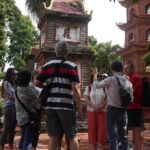
- Tran Quoc Pagoda (included) gives you an early grounding in the city’s oldest layers, since it dates back to the 6th century. You don’t need a guide to admire the setting, but a guide helps you understand why this pagoda is so tied to Hanoi identity.
- Then you head to the Ho Chi Minh Mausoleum complex and surrounding areas, plus One Pillar Pagoda, included as part of the stop. This is the kind of site where rules and timing can matter, so having a planned slot helps.
- Midday brings the Vietnam Museum of Ethnology, one of Hanoi’s best “plan-your-time” museums, with both indoor and outdoor areas listed in the itinerary.
- The day ends at Temple of Literature & National University, a major 11th-century learning center. It’s one of those places that makes you feel how long education traditions run here.
The main consideration: this is a packed day. You’ll want comfortable shoes and a light layer, because you can move between quiet temple grounds and busier museum halls without much downtime.
Halong Bay Days 3 and 4: sunrise, Tai Chi, and cave time

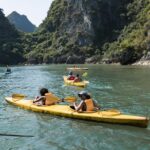
Halong Bay is treated as more than a photo stop here. Day 3 is travel plus cruise setup, and it also uses a scenic route across the Red River Delta with rice paddies. Day 4 ramps it up with an early sunrise option and breakfast served on board.
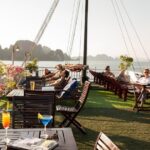
One of the best touches is the Tai Chi class on the sun deck. Even if you’re not into workouts, it’s a gentle way to start the day while everyone else is still waking up.
Later on Day 4 you visit a limestone cave. This is where you should manage expectations: caves can be cool and humid, and visibility varies. The tour’s structure is helpful because you’re not guessing timing or getting lost in the logistics.
If you’re the type who hates early mornings, this portion is the most likely to test you. But if you can handle sunrise once, it’s one of the most memorable parts of the whole route.
Ninh Binh Day 5: Hoa Lu temples, Tam Coc boats, and cycling breaks
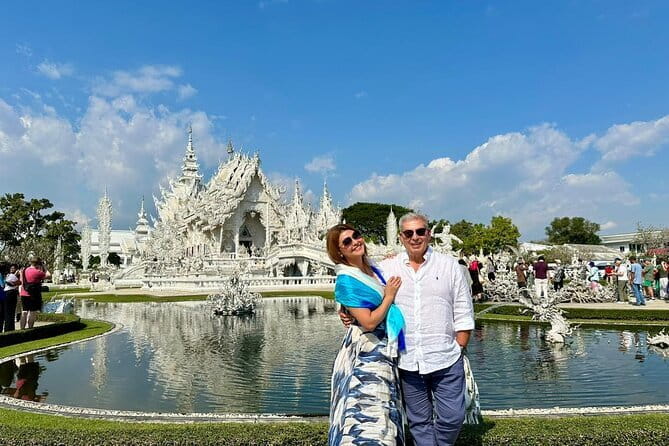
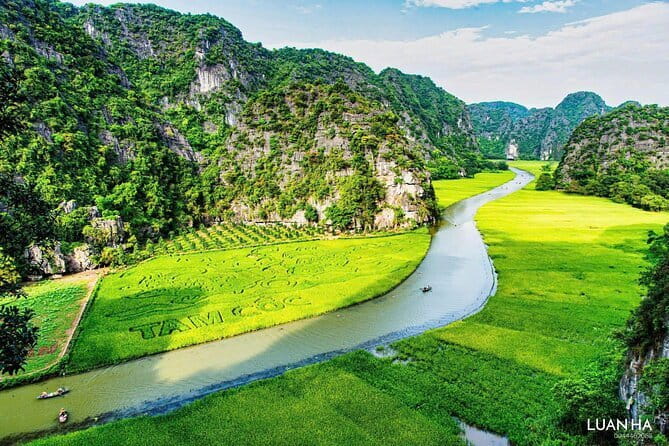
On Day 5, the tour shifts from Halong-style water views to limestone karst scenery in Ninh Binh.
You start at Hoa Lu Temples of the Dinh and Le Dynasties. This is history in a landscape of hills and pathways, and it works well right after Halong because it feels like a different chapter, not a repeat.
Then come the river moments: Tam Coc and Bich Dong with a boat trip where you glide through karst formations and pass through caves. After lunch, you get a cycle ride for about an hour on a quieter route.
Practical note: cycling in humid weather can be tiring even at a relaxed pace. Bring a light scarf or cap, and don’t plan to be fancy with hair that day.

Hue and Da Nang Day 6 to Day 8: imperial sites and Thien Mu’s river calm

Hue is a big cultural anchor in this itinerary. Day 6 includes flying to Hue, then transferring to your hotel.
Day 7 focuses on three standout stops:
- Hue Imperial City (the Citadel), listed as a UNESCO World Heritage Site
- Tomb of Khai Dinh, known for its blend of Vietnamese arc design themes (the itinerary description points to this style mix)
- Thien Mu Pagoda on the Perfume River, with its seven-story form
The day ends with a transfer back toward Da Nang for the evening.
What I like about this structure is that it covers different kinds of “Hue greatness.” You get court history at the citadel, emperor-focused architecture at Khai Dinh, and then a quieter spiritual setting at Thien Mu.
If you get hot easily, Hue can feel warm and slow in midday. Aim for water, and keep sunscreen non-negotiable.
Hai Van Pass Day 8 and Hoi An Days 9 and 10: a cooking class you’ll remember
Day 8 transfers you from Hue to Hoi An by private car, traveling over the Hai Van Pass. This is one of Vietnam’s classic scenic routes, and the itinerary is clear that you’ll be stopping along the way for views and the drive experience.
Hoi An then brings the tour’s most hands-on moment. Day 9 includes a cooking class at Red Bridge Cooking School, and it’s not just a kitchen session. You go to the market with the chef to buy ingredients, then watch a cooking demonstration, and you cook as part of the process.
That market element is key. Even if you never cook Vietnamese food again, you learn how locals shop and what flavors matter. The same day includes Bay Mau Coconut Forest, adding an easy nature contrast to old-town vibes.
Day 10 is free time in Hoi An. The itinerary notes the ancient town feel with Japanese merchant houses, pagodas, temples, and antique warehouses, and it also gives you space to do nothing if you want.
The potential drawback here is simple: Hoi An is famous, so you’ll likely share the streets. If you prefer calm, go earlier in the day during your free time.
Ho Chi Minh City and Cai Be Day 12: river villages and old market echoes
Day 11 flies you to Ho Chi Minh City, then Day 12 sends you to Cai Be.
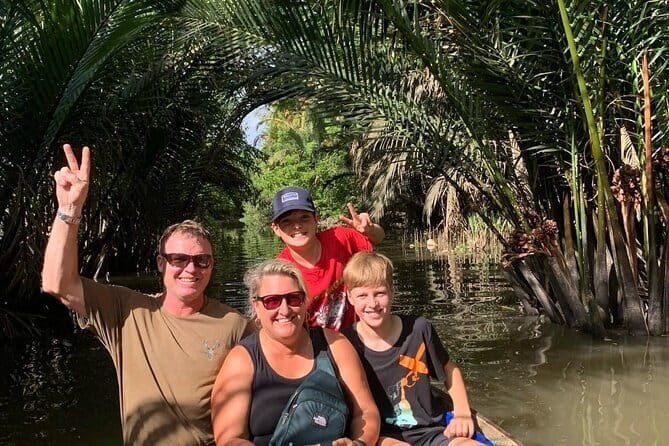
Cai Be is handled in two parts. First you take a boat ride tied to the old floating market area on the Tien River. Then you spend time in small villages, including a visit to a family business that makes coconut fudge.
I like Cai Be because it feels more intimate than the biggest river stops. The itinerary description leans into indigenous culture and village life rather than just speedboat showiness.
This also helps with pacing after the earlier big-city days. It’s still organized and guided, but the mood is slower.
Mekong Delta Day 13: Cai Rang floating market and tributary boat time
Day 13 continues the delta story with a boat ride on tributaries of the Lower Mekong River (Bassac River), plus a visit to Cai Rang Floating Market.
Again, the tour isn’t just telling you to look at boats. The planned boat time across tributaries helps you understand how daily movement works here, especially if you focus on what’s happening on the water, not just the boats themselves.
Practical consideration: floating markets can be crowded and the weather can shift fast. Wear sun protection and plan to keep your bag secured.
Cu Chi Tunnels Day 14: a guided history stop that needs respect
Day 14 brings you to the Cu Chi Tunnels, about 1.5 hours from Ho Chi Minh City, with an English-speaking guide.
This stop is included, so you’re not searching for the right tour at the last second, which can be a headache. The itinerary description is clear that tunnels are part of the experience, so you should prepare for a history-focused day that can feel intense.
If you’re sensitive to heavy topics, treat this as a serious visit, not a casual photo outing. It’s the kind of place where listening matters more than rushing.
Cambodia shift: Phnom Penh and Siem Reap in two focused cultural blocks
Day 15 is a bus transfer from Ho Chi Minh City to Phnom Penh, then check-in and a visit to the Royal Palace.
Day 16 is Tuol Sleng Museum (S-21 prison). The itinerary highlights that it was used as a prison by Pol Pot’s security forces and that more than 17,000 people were held there before extermination. This is not a sightseeing walk-through. It’s a learning and remembrance stop.
Day 17 moves you to Siem Reap and includes an afternoon visit to Wat Thmey or the Killing Fields, with the itinerary noting a glass-walled stupa. Either way, it keeps the focus on Cambodia’s modern trauma and memory.
If you can handle emotionally heavy content, this is where the itinerary becomes meaningful, not just scenic.
Angkor Thom Day 18: South Gate, Bayon Temple, and the Royal Enclosure
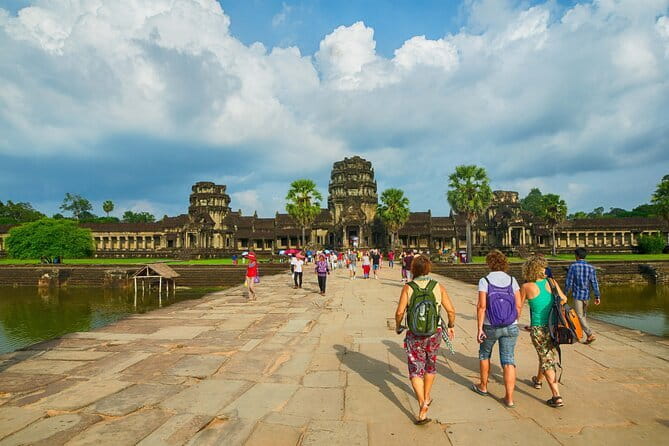
Day 18 is the Angkor highlight. You visit Angkor Thom, including the South Gate, Bayon Temple (late 12th to early 13th century), and the Royal Enclosure.
This is a lot to take in, but the guided structure helps. You’re less likely to feel lost in the scale, and you can focus on key details like the temple layout and the carvings.
A practical note: Angkor sites are big, sun is real, and walking adds up fast. Bring water, and plan to take slow breaks instead of trying to cover everything in one burst.
Phuket Days 19 to 22: travel downshifts into beach time
Day 19 flies you from Siem Reap to Phuket, and the last three days (Days 20 to 21) are leisure time with time to enjoy the water.
Day 22 wraps with breakfast, hotel check-out, time for local markets and souvenirs, and then departure.
I like this ending because it gives you a decompression window after intensive cultural days. If you’ve been seeing temples and museums nonstop, Phuket makes sense as a reset. Just remember that leisure days still benefit from planning, even if it’s light planning.
Who should choose this tour, and who should think twice
This works best for people who want a full Indochina circuit without negotiating every leg. The max 12 travelers size helps the experience feel organized, and the included entrance fees plus guided stops reduce the mental workload.
It’s also a good fit if you care about structure. You get private transfers at key moments, named stops in each city, and a clear sequence from Hanoi to Phuket.
Think twice if you want maximum independence. Free time exists, but it’s mostly on specific days like Hoi An Day 10 and the Phuket stretch at the end. Also, this itinerary includes serious history stops in Cambodia, which may not feel like a light vacation for everyone.
If you want, you can ask your planner how they handle special timing requests for major sites, especially around early mornings and museum slots.
Booking decision: should you book for 2026-27?
I’d recommend booking this tour if your priority is convenience plus high-impact highlights across three countries. The value is strongest when you see the package as logistics plus guides plus entrances, not just “a list of places.”
I’d hold off if you dislike early starts or you want lots of unstructured time. In that case, this is better than nothing because you still get freedom on Hoi An and Phuket, but the overall flow is definitely planned.
Also, lean on the operator’s support. In feedback about planning and responsiveness, names like Tran and Son show up for professionalism and availability, and that kind of real-world help matters when you’re crossing borders and dealing with long days.
If you want an organized route that still includes human touches, like the market-led cooking class and guided history stops, this is a strong candidate.
FAQ
Where does the tour start?
It starts in Hanoi, Vietnam. On Day 1, a private driver meets you at the airport holding a sign with your name and transfers you to your accommodation in the city.
How long is the tour?
The duration is listed as 22 days (approx.).
What is the price?
The price is $2,680.00 per person.
Is pickup included?
Yes, pickup is offered, and the itinerary also specifies airport pickup in Hanoi on Day 1.
How big is the group?
The tour/activity has a maximum of 12 travelers.
Are flights included?
Yes. Domestic flight tickets are included, including flights shown within the itinerary (for example, from Hanoi to Hue, and from Siem Reap to Phuket).
What about entrance fees and guides?
The package includes all entrance fees for included sightseeing destinations and includes a tour guide.
What meals are included?
The package includes breakfast (21), lunch (9), and dinner is listed as included.
What is not included?
The tour lists tips, alcoholic drinks, soft drinks, and personal expense as not included.
When will I receive confirmation after booking?
Confirmation is stated as received within 48 hours of booking, subject to availability.
Can I cancel for a refund?
Yes, free cancellation is listed. You can cancel up to 24 hours in advance for a full refund, and changes made less than 24 hours before the start time are not accepted.