Review · HANOI
13-Day Vietnam Itinerary | Discover the Best of Vietnam | Top 1
This route strings together Vietnam’s best highlights. You get a logical north-to-south flow, with an actual Lan Ha Bay cruise stop, plus classic cities like Hanoi and Ho Chi Minh City and the water-world of the Mekong. The pace is built around seeing the big icons without wasting half your day on logistics.
I like two things a lot. First, you get an easy all-in feel: private room lodging, air-conditioned transport, a tour guide, plus entrance fees and plenty of meals. Second, the group stays small, up to 12 people, which helps you move quickly and still ask questions.
One possible drawback: it is a busy 13 days, with early starts (like a 7:00 am start time) and multiple long travel days, plus the tour does not include tips or drinks.
Key things that make this tour work well

- Lan Ha Bay sunrise and Tai Chi on the sundeck, then a full day cruising
- Small-group size (max 12 travelers) for better timing and a more personal guide
- All entrance fees included, so you are not constantly checking ticket prices
- Domestic flights included, which saves you from exhausting overland travel
- A strong classic route: Hanoi, Hoa Binh and Mai Chau, Hoi An, Hue, Saigon, Mekong Delta
- Mr. Tran Son support comes up in feedback, especially for quick help when plans shift
A smart first step in Hanoi, with real transfer help
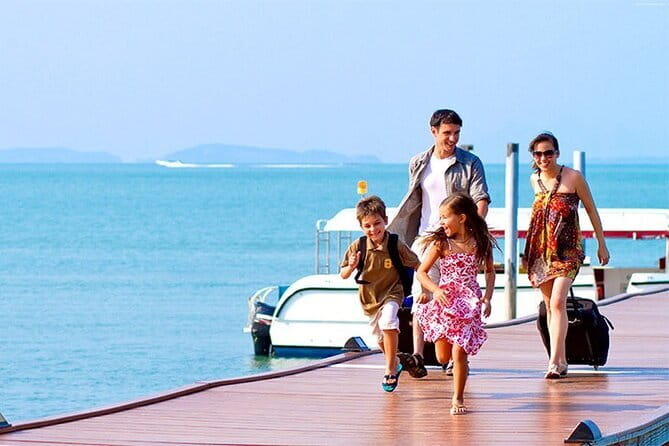
Your trip begins in Hanoi, after landing at Noi Bai International Airport. Instead of figuring out taxis and addresses, you get pickup and a transfer to your selected accommodation. It is a small thing, but it matters on arrival day, especially if you land in the morning and want your energy for Hanoi.
You also get a clear start rhythm. The tour’s meeting time is listed as 7:00 am, so expect mornings to begin promptly. If you like slow starts, plan a different kind of pace for your free time later in the day.
You can also read our reviews of more tours and experiences in Hanoi.

Hoa Binh and Mai Chau: fields, terraced views, and a lunch that feels local
On the next morning, you head toward Hoa Binh province. The ride is part of the experience: you pass through green fields of tapioca, sugar cane, and terrace paddies before reaching Mai Chau Valley and the Lac Village local center.
This is not a museum day. It is countryside Vietnam, with a local lunch that includes things like spring rolls and banana flower salad. You get enough time in Mai Chau to rest, eat well, and then focus on the main activities planned for the afternoon.
One detail to note: the schedule shows two options for timing, with either a group departure at 7:20 or a private option at 8:30. If you care about avoiding crowds, that timing flexibility is worth paying attention to when you book.
Lan Ha Bay cruise: sunrise practice, islands, and a calmer vibe than the busiest ports
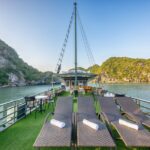
Hanoi gives way to Lan Ha Bay and Ha Long Bay style scenery. From Hanoi, you start early, then arrive at Tuan Chau port and board a transfer boat to your cruise. Once onboard, you get a welcome drink and check-in, so you are not left standing around waiting for the day to start.
The afternoon portion highlights several island areas, including Gia Luan area, Thoi Quyt island, Ke Ga, and the Finger area. These names matter because they hint at a route built for views, not just a single “quick swim and back” routine.
The next morning is a standout. You wake early for a Tai Chi session on the sundeck, then enjoy breakfast with sunrise and morning bay views in Lan Ha Bay. If you have ever felt like boats are just about crowds and selfies, this schedule is more gentle. You see the bay when it is fresh, quiet, and still waking up.
Practical note: mornings on the bay are often cool, even when the daytime is warm. Bring a light layer so you can enjoy Tai Chi and the sunrise without rushing to warm up.
Back to Hanoi for Temple of Literature: a UNESCO stop that sets a tone

After the bay, you return to Hanoi and get a cultural anchor at the Temple of Literature. This is a UNESCO World Heritage Site, described as the cradle of Vietnam’s education and history of learning. The tour framing here is helpful: you are not just walking through stone courtyards, you get context from a guide.
From there, the trip continues south. You visit Temple of Literature in the morning, then later you shift to Da Nang and transfer onward to Hoi An.
If you want one day that gives structure to the rest of the trip, this is it. After boat time and countryside views, you get a clean “brain first, then sights” stop.
Da Nang and Hoi An: Marble Mountains, coconut waterlife, then evening wandering

In Da Nang and Hoi An, the tour hits three very different vibes in one day.
First, you visit the Marble Mountains, also known as Ngu Hanh Son. The schedule includes time at the mountain and a stop at Non Nuoc Village at the foot of the Marble Mountains. This is a good pairing because you can shift from scenic viewpoints to the human side of the area.
Next comes Bay Mau Coconut Forest in Cam Thanh, near Hoi An’s Old Town. The tour describes the place as eco-focused, with pure green water and a living water ecosystem. That matters because it signals you should expect something more like local river life than another “coconut souvenir shop” loop.
Then you move into Hoi An ancient town. The walking vibe here is obvious from how the tour schedules it, with time for sightseeing and just being in the historic streets. You also get a sense of Hoi An as a former trading hub, which helps you see past the cute lantern stage-set feeling.
If you are traveling with kids or you just want an easier evening, Hoi An works well because you can slow down without committing to another full-day activity.


Hue on a schedule that includes the Hai Van Pass and the Imperial City

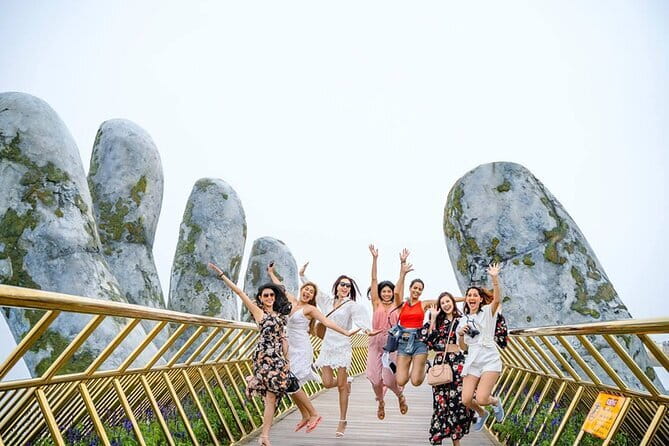
The Hue day starts with the Hai Van mountain pass, described as one of the world’s top ten most beautiful mountain passes. Even if you only get partial viewpoints between stops, the drive itself helps you understand why this route matters.
Then the tour focuses on major royal and religious sites:
- Khai Dinh tomb, the final resting place of a Nguyen Emperor, with an emphasis on its unique architecture and stories
- Hue Imperial City, also called the Citadel, presented as the palace of the 13 Nguyen kings
- Thien Mu Pagoda, an active monastery and the iconic 7-story pagoda on the Perfume River
I like how this trio works together. You get imperial power in the Citadel, artistic storytelling and design at Khai Dinh tomb, then spiritual calm and one of Hue’s most photographed landmarks at Thien Mu. It is a full day, but it feels coherent.
Tip for your comfort: sites in Hue can mean lots of stairs and warm-weather walks. Wear grippy shoes and carry a small water bottle if you are able.
Down time in Da Nang, then a flight to Saigon for history and tension
After Hue, you get a more flexible day in Da Nang. The tour description lists breakfast and free time, which is exactly what you want after a packed day. This day gives you room to repeat a favorite spot, do laundry, or just recover.
Then you fly to Ho Chi Minh City, with arrival and hotel check-in at 14:00. Your remaining time is yours to explore at your own pace. That “own time” matters, because it keeps the trip from feeling like you are just riding between checkmarks.
Saigon essentials: Notre Dame, the Post Office, War Remnants Museum, and Cu Chi

Ho Chi Minh City gets a classic three-stop history bundle in the morning and early afternoon, plus a major Vietnam War site in the later part of the day.
You visit:
- Saigon Notre Dame Cathedral, described as one of the world’s 19 most majestic cathedrals and the only representative from Southeast Asia
- Saigon Central Post Office, praised for mixing neo-classical European architecture with Asian decorations
- War Remnants Museum, one of the city’s most famous history museums that challenges what you think you know about the Vietnam War
Then in the afternoon you head to Cu Chi Tunnels. The tour frames it as a network of underground passages that played a crucial role during the Vietnam War, with insight into resilience and resourcefulness.
This day is intense, not just visually. If you prefer lighter days, consider doing slower walking in the city and saving your energy for the museum and tunnels when you are mentally ready.
Mekong Delta: My Tho and Ben Tre on water, then Can Tho for a night break
The Mekong Delta day starts with My Tho and a boat journey along the Mekong. After that, you continue to Ben Tre, known for coconut groves. The tour adds a boat ride along narrow canals and mentions local workshops, so you are not stuck only on the water. You get a sense of daily life around the river system.
After exploring My Tho and Ben Tre, you travel to Can Tho, check into accommodation, and unwind. That overnight stop is a smart design choice because it prevents you from trying to go back to Ho Chi Minh City the same day.
Cai Rang Floating Market: water commerce with a morning start
On the next morning, you go to Cai Rang Floating Market. The schedule calls for 7:00 breakfast, then an 8:30 start for the market. You are on the water, navigating through the active market scene.
This is one of those places where an organized visit helps. Without a plan, the market can feel confusing fast. With a guide, you can follow what is happening and understand what you are seeing.
Then in the afternoon you return to Ho Chi Minh City. You get time to reflect, plus you land back in the city rather than continuing nonstop.
A final free day in Ho Chi Minh City to close the loop
For the last day, you get a full free day in Ho Chi Minh City. That is useful because it gives you space to do practical things, like finishing shopping, revisiting a favorite street, or simply resting before you fly home.
If you want a sensible strategy, use this day to balance the earlier heavy stops with something more personal. You already covered Notre Dame, the Post Office, museums, and the tunnels, so now you can choose what fits your mood.
Value for your money: why $1,389 can make sense on a 13-day route
At $1,389 per person for about 13 days, the biggest question is value: are you paying for a real package or just paying for travel?
Here, the “value math” looks solid because several costly categories are bundled:
- Domestic flights are included, which is one of the hardest parts to DIY across a north-to-south route
- Entrance fees are covered for included sightseeing
- You get private room accommodation
- You travel by air-conditioned vehicle with a tour guide
- Meals are heavily included: 12 breakfasts, 7 lunches, and 3 dinners are listed
Add that up and you can see why this price can work well, especially if you do not want to spend time comparing dozens of ticket types and booking separate guides per city.
Also, the group size cap of 12 can improve value. It is not always about being fancy. Small groups usually mean you spend less time waiting and more time moving through the important parts of each stop.
If you are a solo traveler who wants total freedom every minute, you might feel the structure. But if you want a smooth, well-timed route across Vietnam’s north, center, and south, this pricing can be fair.
Included and not included: what to plan for
Based on the package details, here is what you can count on:
- Domestic flight
- Accommodation listed as a private room
- Air-conditioned vehicle
- Tour guide
- Entrance fees for included sights
- Meals: 12 breakfasts, 7 lunches, 3 dinners
What is not included is also clear:
- Tips
- Alcoholic drinks and soft drinks
- Personal expenses
For budgeting, I suggest you treat drinks and tips as separate line items. The package already does the heavy lifting with meals and admissions, so you do not need to guess about ticket costs every day.
Who should book this Vietnam route, and who should think twice
This tour fits best if you want:
- A classic highlights route without planning every leg yourself
- A small-group feel with guided stops
- A mix of history and scenery, including a true bay cruise and Mekong water time
- Lots of included meals, which helps when you are moving quickly across regions
You might think twice if:
- You hate early mornings, because the schedule includes morning starts and a sunrise-style bay morning
- You prefer long, slow stays in one city rather than hopping across Vietnam’s main regions
- You want total independence, because the structure is real and daily timing matters
Should you book this 13-day Vietnam tour?
I’d book it if you want an organized route that hits Hanoi, Lan Ha Bay, Hoi An, Hue, Saigon, and the Mekong with minimal decision fatigue. The combination of included domestic flights, entrance fees, and guided stops makes it practical, and the small group size helps it feel manageable.
I would not book it if your ideal vacation is mostly unscheduled wandering and you are allergic to tight timing. This trip is built for seeing a lot, not for taking ten days to do one city.
If you do book, pack for variety: warm days in central and south Vietnam, cooler mornings on the bay, and comfortable shoes for historic sites. And if you care about smooth support, remember that Mr Tran Son comes up in feedback for responsiveness when plans need adjusting.
FAQ
Is pickup included for the start of the trip in Hanoi?
Yes. After you land at Noi Bai International Airport, the tour includes a pickup and a transfer to your selected accommodation.
What is included in the tour price?
The tour includes a domestic flight, air-conditioned vehicle, a tour guide, entrance fees for included sightseeing, accommodation in a private room, and meals (12 breakfasts, 7 lunches, 3 dinners).
What is not included?
Tips, alcoholic drinks, soft drinks, and personal expenses are not included.
How many people are in the group?
The maximum group size is 12 travelers.
Are meals and tickets handled during the tour?
Meals are included in the package across multiple days, and entrance tickets for included sightseeing are covered as part of the tour.
How flexible is booking if plans change?
You can cancel for a full refund if you cancel at least 24 hours in advance of the experience’s start time. Confirmation is received within 48 hours of booking, subject to availability.