
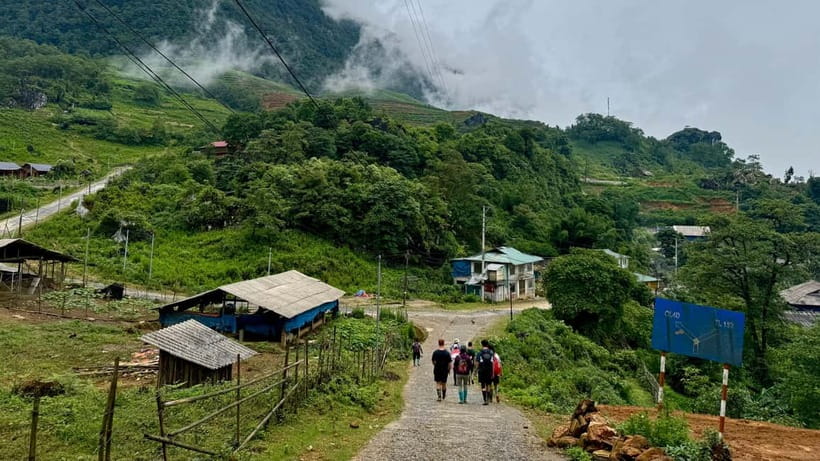
Review · SAPA TREKKING TOURS
Sapa 2-Day Trekking Tour – Explore Villages & Scenic Trails
Rice terraces and village paths feel personal. I love the small-group feel and the homestay meals guided by people like Mao and Sung, and you get to choose Ta Van for a more culture-forward walk or Hau Thao for quieter mountain trails. The one catch is that this is still a moderate trek, with 10 to 14 km hiking days, so you should be ready for steep bits and muddy sections in wetter months.
You start in Sapa Town around 9:00 AM and return after lunch on Day 2. From there, your whole experience turns on your route choice, and the guide matters a lot, because they steer you away from the busiest tourist pockets and toward real village life.
Key things I’d plan around
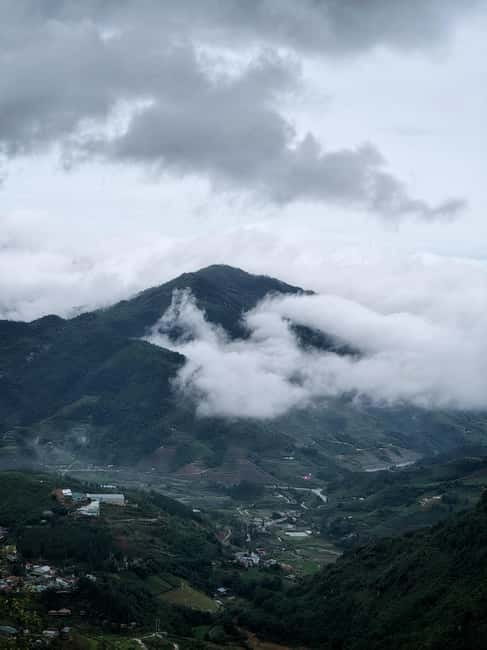
- Ta Van vs Hau Thao changes the vibe: shorter, gentler cultural routes or longer, more remote Hmong mountain paths.
- Homestay food is a highlight with local dishes and care for diets and allergies (I’d treat that as a real selling point).
- Daily hiking is 10 to 14 km and paced for small groups, not speed-dates.
- Guides influence where you go: some routes are chosen specifically to avoid crowded areas.
- Trails can turn muddy during May to September, so proper shoes and a rain layer matter.
Ta Van vs Hau Thao: your route choice is the whole trip
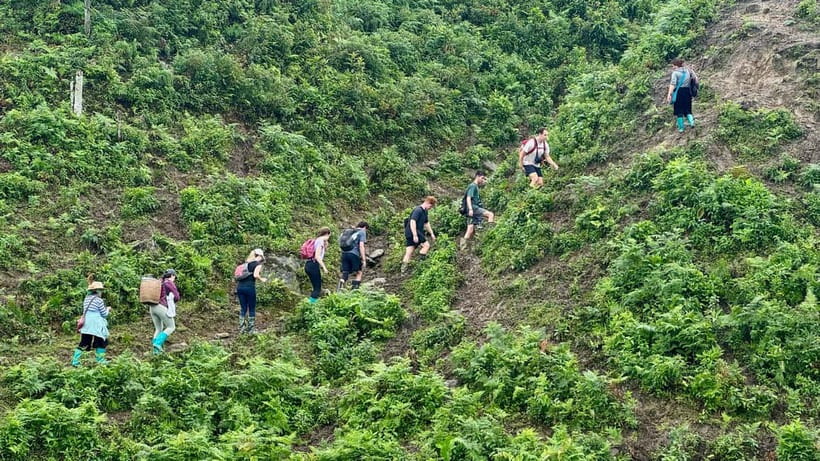
This trek is designed as a 2-day, 1-night loop from Sapa Town into village areas, and your booking choice really shapes what you remember.
If you pick Ta Van, you’re aiming for the Muong Hoa Valley feel, with iconic scenery and a route that tends to feel calmer. It’s also the better option if you want a mix of culture and views without pushing your legs too hard.
If you pick Hau Thao, you’re trading comfort for remoteness. Expect more time on narrower mountain trails, fewer visitors, and a stronger sense of raw, daily mountain life, especially with Hmong hosts.
You can also read our reviews of more hiking tours in Hanoi


First Day in Sapa: Y Linh Ho and Lao Chai to your village base
Day 1 starts in Sapa Town, with the trek moving at 9:00 AM. Plan to arrive early, around 15 to 30 minutes before departure, so you can check in, store bags, and do the basic briefing without stress.
Sapa to Y Linh Ho
You’ll walk from Sapa into the Muong Hoa Valley area, and Y Linh Ho is one of those early stops where village life is easy to see. People focus on daily routines, and you’ll notice the contrast between town routines and valley routines fast.
This is also a good day to keep your camera ready, but not glued to your hands. The best moments tend to come when you’re walking slow enough to notice details like clothing, craft work, and the way paths connect homes to fields.
Lao Chai, then lunch with rice-terrace views
After Y Linh Ho, you head toward Lao Chai, known for colorful costumes and local crafts. Then comes lunch with big rice terrace views, which is exactly the kind of payoff that makes Day 1 feel worth it even when your legs are still warming up.
The practical point: lunch is included, but you still want to have water and a snack mindset. Stops can be relaxed, but you’re hiking through valleys where heat and sun can sneak up on you.
Your overnight village: Ta Van (Dzay homestay) or Hau Thao (Hmong experience)
When you reach Ta Van, you stay overnight in a Dzay homestay and spend the evening in a home-style setting, including dinner. When you choose Hau Thao, you reach a more remote village and have dinner with a Black Hmong family, with the day feeling longer and more “off the main trail.”
Either way, this is one of the most praised parts of the experience for a simple reason. You’re not just passing through; you’re eating where people live, and your guide is there to help make that moment respectful and understandable.
More Hanoi tours and experiences for the shortlist
- Doris Cruise 5 star cruise 2 days visiting Halong Bay Lan Ha Bay private balcony
★ 5.0 · 2,338 reviews





Overnight homestay: meals, stories, and what comfort looks like here
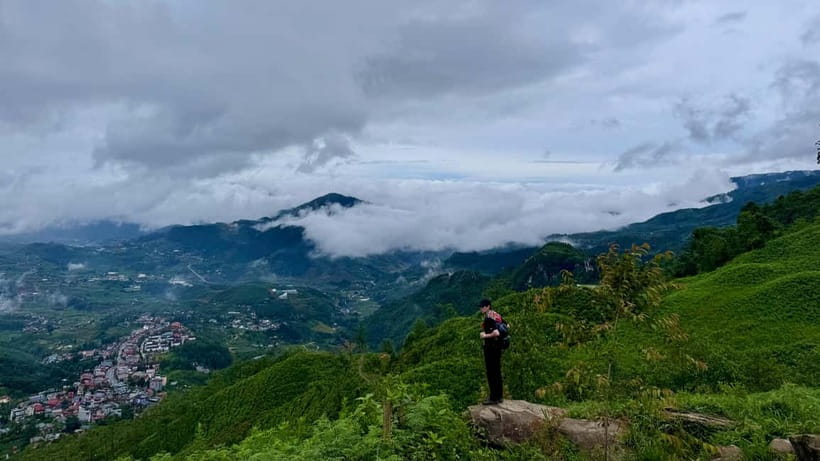
The tour includes one-night homestay accommodation in a private room. It is not a resort, so think clean, simple, and warm rather than polished hotel luxury. Based on the strong feedback, the homestay quality is consistently a key reason people rate this so highly.
Traditional meals, and real care for diets
Meals are included on the trek days: 2 lunches, 1 dinner, and 1 breakfast. Breakfast can be vegetarian/vegan, and the dinner and lunch are Vietnamese dishes made with local ingredients.
What I really like here is the care factor shown in the guidance. One traveler described having a food allergy and being looked after carefully by a guide who double-checked with the host family. That tells you the team isn’t treating food as a checkbox.
If you want to avoid surprises, tell your dietary needs in advance. Even with vegetarian options listed, your best experience comes when the guide has time to coordinate.
Evening atmosphere: fire, conversation, and a chance to slow down
In Ta Van, people describe sitting by the fire and sharing stories. In Hau Thao, the dinner and conversation often feel more grounded in day-to-day Hmong life. Either route, you’re likely to feel the quiet difference between the trail and the village space.
A practical tip from the field: bring long pants and insect repellent. Nights in village settings can be cooler or buggy depending on the season, and those small items prevent a lot of discomfort.
Second Day: bamboo forests, suspension bridges, and the Giang Ta Chai waterfall area

Day 2 starts with breakfast at the homestay and then continues toward Giang Ta Chai, before returning to Sapa after lunch.
How the morning feels depends on your route.
If you chose Ta Van: cross a suspension bridge and walk through bamboo forest
From Ta Van, you’ll cross a suspension bridge, then hike through a bamboo forest. This stretch is often the most “trail-like” part of the whole experience, because the scenery changes as the path moves through the valley.
You’ll eventually reach Giang Ta Chai, described as a Red Dao village by a waterfall. It’s the kind of stop where you can pause without feeling like you’re taking up time, because the area itself gives you something to look at and talk about.
If you chose Hau Thao: mountain trails and cliffside scenery
From Hau Thao, Day 2 can feel more rugged, with narrow mountain trails and dramatic cliffside scenery. It’s a route for people who want fewer tourist faces and more time with the natural terrain.
Then you return toward Sapa after lunch. In both routes, the guide structure matters, because they keep the group together and pace the walk so you don’t end the day wrecked.
A note about dip stops near waterfalls
One traveler mentioned cooling off with a swim near a waterfall. The tour info does not promise swimming, so don’t plan your whole day around it, but if you want the option, pack a small swimsuit and quick-dry layer.
Pacing and difficulty: what 10 to 14 km/day feels like in real life
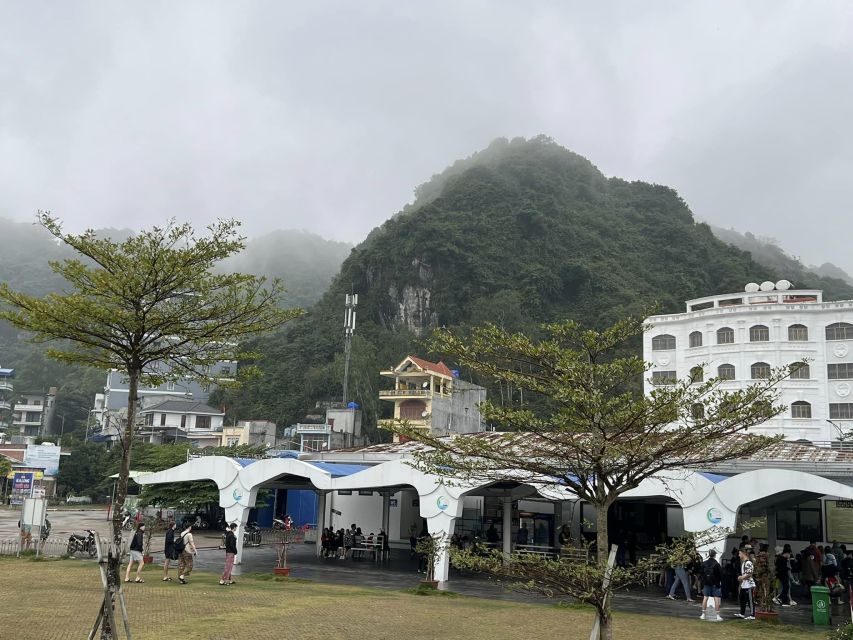
The trek is marked as moderate difficulty with basic fitness required. You’ll hike about 10 to 14 km per day, and the walking time can vary by route, weather, and group pace.
Some groups reported that Day 1 can take around 3.5 hours, with Day 2 around 2 to 2.5 hours, but treat that as a general guide, not a guarantee. What matters more is that guides adjust the route when someone needs an easier path, and the small group size helps that happen.
Gear that I’d treat as non-negotiable
From the provided packing list and what people said they learned the hard way:
- Comfortable hiking shoes (proper tread helps a lot on mud)
- Long pants and sun hat
- Water plus a rain jacket if you’re traveling during rainy months
- Insect repellent
- A small daypack, since big bags can be stored at the office
If you only buy one upgrade, make it footwear. Reviews consistently point out that choosing the right shoes changes everything.
Weather reality in Sapa
The trek runs year-round, but trails may be muddy during May to September. Even outside rainy season, Sapa weather can shift, so pack layers you can add or remove quickly.
Guides and group size: why the experience feels personal
This is one of those tours where the “tour” part matters less than the guide part. The group size is small, and that shows up in how the walk feels.
People highlight guides who:
- spoke excellent English (Mao, Thao, Sung, Su, Ai, Chai are all named)
- explained Hmong life and village details with real context
- adjusted the route to keep everyone comfortable
One traveler noted their guide Mao made sure everyone felt included. Another traveler praised Sung for taking allergy safety seriously by double-checking with the host families. Those are not small details. They change how safe and relaxed you feel on a trail where communication would otherwise be tough.
If you’re the type who likes questions, this is a good match. With a small group, you can actually talk, not just follow.
Transportation and what’s included, plus one Cat Ba checklist
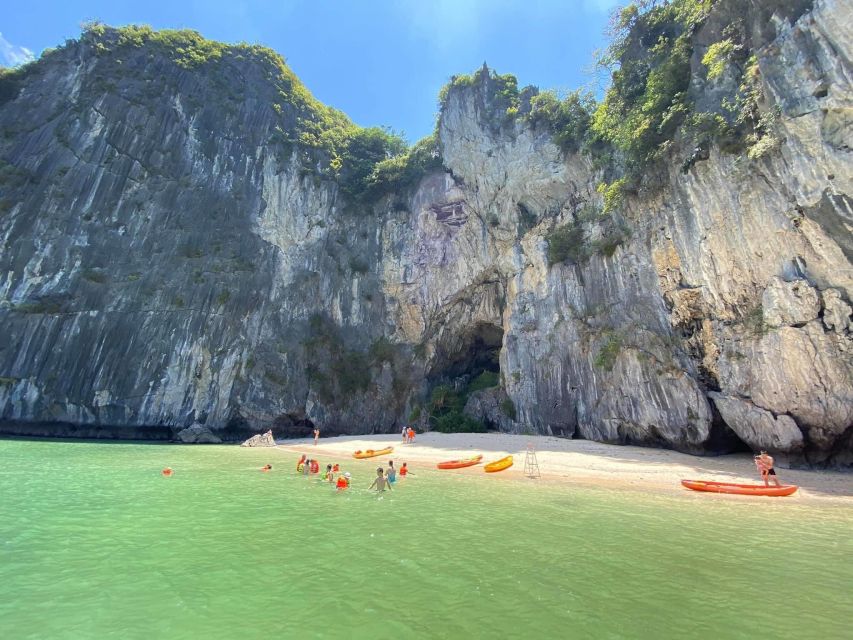
The included list includes more than the trekking day itself. You can get pickup and drop-off by public bus from Ha Noi to Cat Ba, plus pickup and drop-off by private car between your accommodation and the harbor. It also lists accommodation on Cat Ba island, a day cruise to Lan Ha Bay and Ha Long Bay, and kayak rentals.
That sounds like a separate add-on or a combined package, not just Sapa trekking. So here’s my practical advice: before you commit, confirm your exact dates and which parts are tied to your 2-day trek. Ask the operator to clearly state what day each segment happens, so you do not end up with a schedule surprise.
What is clear for the trekking portion:
- Homestay for one night in a private room
- All meals related to the trek days (2 lunches, 1 dinner, 1 breakfast)
- Trekking guide on the village walk
- Sightseeing tickets needed (as required by the itinerary)
- Car pickup back to Sapa on Day 2
Value for $58: what you’re really paying for

At $58 per person, you’re not just paying for walking. You’re paying for:
- local guidance and route selection
- homestay logistics and coordination with host families
- meals across the two trekking days
- included lunches and the breakfast
- and transportation elements listed in the package
That is why so many people call this a highlight. The value is strongest if you want both views and human contact, and you do not want to spend extra time figuring out village access or food planning.
If you’re traveling with a strong preference for high-end hotels and full control of every minute, this may feel less suited. If you like guided structure and community meals, the price starts to look very fair.
Who should book this trek, and who should skip it
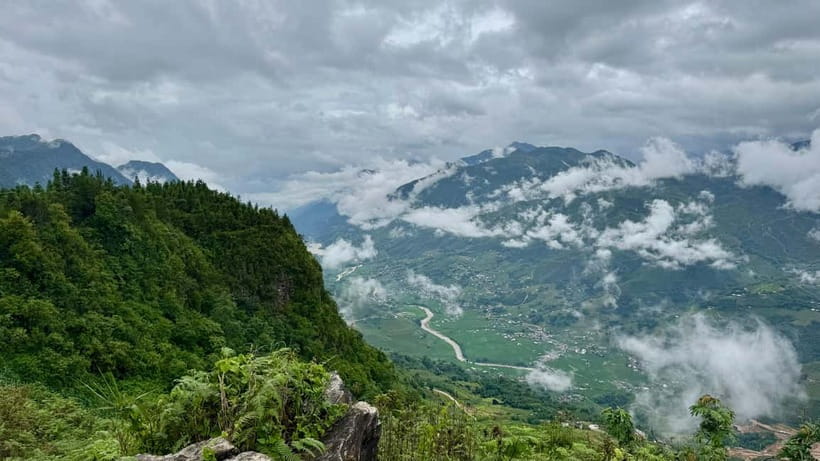
This tour fits best if you:
- want a 2-day, 1-night village walk without longer multi-day trekking
- care about culture as much as scenery
- like small groups and clear guide communication
- are comfortable hiking 10 to 14 km/day with moderate effort
It is not suitable for people who are pregnant, have back problems, have mobility impairments, have heart problems, use wheelchairs, are visually impaired, or have insect allergies (based on the tour’s limitations). If that’s you, skip it and look for a different style of Sapa outing.
Should you book this Sapa 2-day village trek?
If you want two things, views and village life, this is a strong choice. The biggest reason is the combination of small group pacing, practical guide support, and homestay meals that include dietary care when needed. You also get real route options: Ta Van for a more cultural and gentler valley walk, Hau Thao for remoter mountain trails.
I would only hesitate if you expect a totally effortless stroll. This is moderate hiking, and in wet months the ground can get slippery. If you show up with the right shoes, water, and a rain-ready plan, you’ll likely find this trek is one of the most memorable ways to see Sapa without feeling like you’re rushing through it.
More Hiking & Trekking Tours in Hanoi


More Tours in Hanoi
- Ninh Binh Full-Day Tour from Hanoi to Hoa Lu, Tam Coc & Mua Cave Via Boat & Bike
★ 5.0 · 4,384 reviews





More Tour Reviews in Hanoi


Not for you? Here's more nearby things to do in Hanoi we have reviewed











More Sapa Trekking Tours to consider.
 ★ 5.0Sapa 2 Days 1 Night From Hanoi – Overnight in Ta Van VillageTickets from $592,669 traveller reviews
 ★ 5.0Hanoi – Sapa 2 Days 1 Night Overnight At HomestayTickets from $89899 traveller reviews
 ★ 4.6Sa Pa: Muong Hoa Valley Trek and Local Ethnic VillagesTickets from $23864 traveller reviews
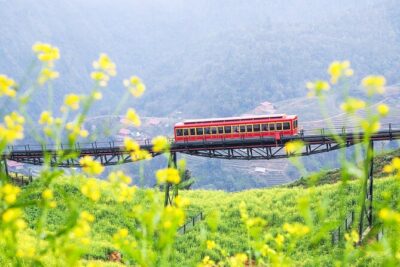 ★ 5.0Sapa: Fansipan Cable, Cat Cat Village & Moana Instagram TourTickets from $30777 traveller reviews
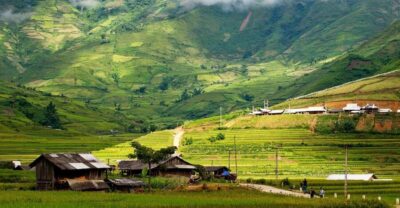 ★ 4.8From Hanoi: 2-Day Sapa Trekking Trip with Homestay & MealsTickets from $71704 traveller reviews
 ★ 5.0Sapa 3 Days 2 Nights Trekking Tour (1 Night In Ta Van Village, 1 Night In Hotel)Tickets from $139699 traveller reviews
 ★ 4.9Sapa: Eco Adventure Terrace Fields and Local Villages TrekTickets from $27636 traveller reviews
 ★ 5.03-Day Trekking Adventure of Sapa from Hanoi – Stay Ta Van VillageTickets from $109611 traveller reviews
More useful Hanoi routes