
Review · SAPA TREKKING TOURS
3-Day Sapa Real Valley View Homestay & Fansipan–Roof of Indochina
One of the best things about Sapa is how fast it changes. In just 3 days you get a mountain drive, village trekking, and a real shot at Fansipan. I especially liked the chance to walk through places like Lao Chai and Ta Van, and the way the homestay adds a human scale to the scenery. One possible drawback, though, is that homestay standards are “local and simple,” so bring the mindset for shared space and basic comfort.
You are paying for more than a view. This price covers round-trip transport from central Hanoi, a guide, full meals across the days, and two nights of lodging (one shared village homestay night plus one hotel night in Sapa). If you want a comfy, buttoned-up “package” feel the whole time, this may not be your style.
Quick Hit List: What Makes This Sapa Trek Feel Worth It
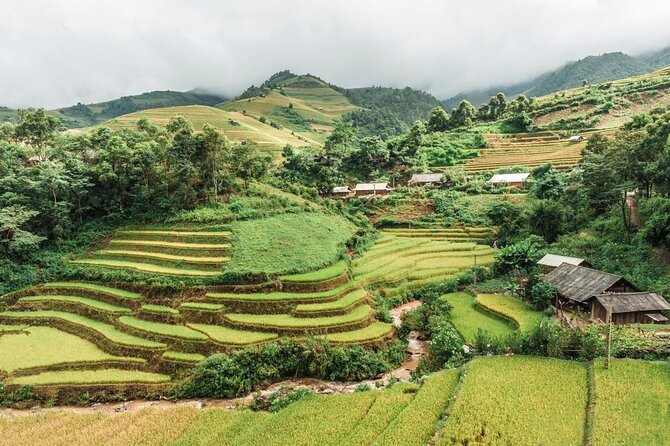
- A true 3-day rhythm, with village walks by day and rest built in through meals and two lodging types
- Small groups up to 15 people, so the trek stays manageable and your guide can actually keep an eye on everyone
- Fansipan included, with a trip up 600 steps and time around pagodas and viewpoints at about 2,800 meters
- Multiple ethnic village areas, including Black Hmong and Tay communities, with stops like Lao Chai, Ta Van, Giang Ta Chai, Ban Ho, Sin Chai, and Cat Cat
- Homestay night is the main character, and it can be excellent with the right family and guide (I’ll show you what to watch for)
- You still get Sapa time, plus some freedom for shopping after the hiking days
Price and Value: What You’re Actually Paying For
The cost is $179.90 per person for about 3 days, and the value comes from what’s bundled. This isn’t just a bus and a map. You get an air-conditioned vehicle, a local expert guide, bottled water, and meals (breakfast, lunch, dinner as listed).
Two lodging options are included too:
- 1 night in a village homestay (shared accommodation at a local house)
- 1 night in a hotel in Sapa town (double or twin sharing, with single rooms available on request for a surcharge)
The Fansipan side also has an important detail: Fansipan admission is included, which saves you from having to price it out last minute when you arrive. When I judge value on a trek like this, I look at how much you are handed versus how much you must coordinate yourself. Here, you hand off a lot: transport, guidance, and meal planning.
More Hanoi tours and experiences for the shortlist


Hanoi to Hoang Lien Son: The Drive That Sets Your Pace
The trip starts at Hanoi Opera House (1 Tràng Tiền, Hoàn Kiếm). From there, the route heads to Sapa using Vietnam’s newer Hanoi to Lao Cai highway. The distance is about 245 km, and the drive is commonly around under 5 hours, though your day may run closer to 6 hours because of a short break.
I like this start because it cuts the stress. You do not need to figure out transport, tickets, or timing from Hanoi. You just show up, ride out, and wake up higher and cooler as the mountains come into view.
Practical packing tip for the road: bring a warm layer. Even if Hanoi feels fine, Sapa can be chilly, especially in the morning and on higher ground. Also, since the focus is the trek, do not assume the bus ride will be “premium comfort.” Plan for the ride to be functional, not fancy.
Village Trek Day: Lao Chai and Ta Van on Foot (Black Hmong and Tay Life)
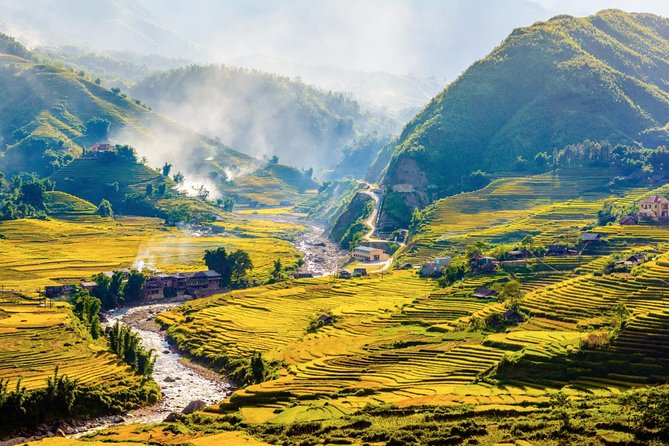
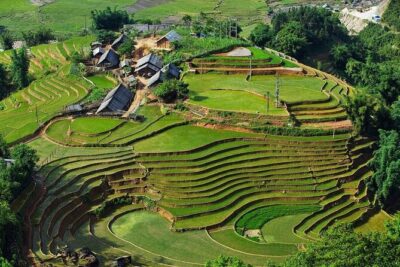
Your walking days are built around mountain villages connected to Black Hmong and Tay communities. On these routes, you are not just ticking off names. You are moving through terraced rice areas, crossing the valleys, and getting close to how people live where the weather and steep slopes shape everything.
You’ll pass through or visit areas like:
- Lao Chai
- Ta Van
- Giang Ta Chai
- Ban Ho
- Sin Chai
- Cat Cat
Even with a group schedule, the vibe is personal because you’re walking. It is slower than a bus tour. Your guide can answer questions in context, like why certain paths exist, how terraces are maintained, and what daily life looks like in the valley.
One useful heads-up on trekking effort: some people find the total walking can add up to around 15 km across the full trek experience. That means good footwear matters. If your shoes are worn out, slippery, or not made for uneven ground, you will feel it by the second day.
Waterfalls, Terraces, and the “Why” Behind the Scenery
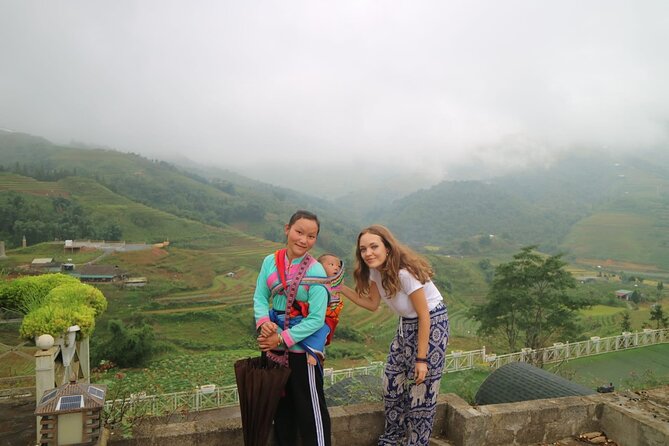
Sapa’s best views are not only about distance. They are about texture. Terraced rice fields create patterns that change with season and time of day. And the region’s waterfalls and valley streams bring motion to the landscape.
One detail I appreciate is the inclusion of natural features like the Muong Hoa stream crossing. It’s a simple moment that makes the valley feel real, not just scenic. You’re also getting time with a guide, which helps you understand what you’re seeing rather than just snapping photos and moving on.
If you’re the type who likes “explain it to me” travel, this tour format works well. You learn by moving through the villages and terrain, not by sitting in a lecture.
Homestay Night: A Real Valley View, With Real-World Simplicity
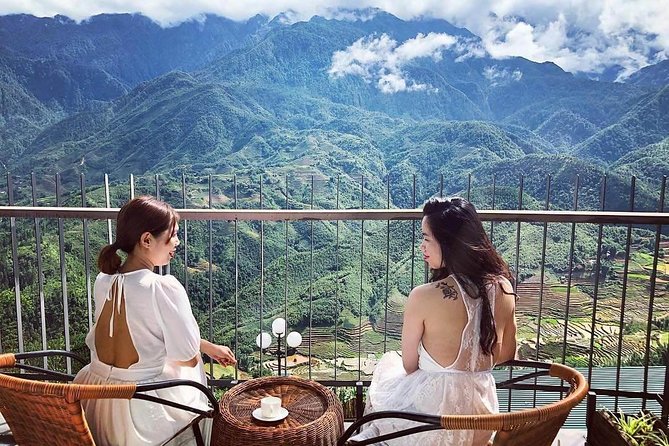
The homestay is where this trip turns from “sights” into “story.” You get 1 night in a shared village homestay, at a local house. That means your room setup is simpler than a hotel, and what you experience depends on the family hosting you.
In a great version of this trip, the homestay can come with real warmth and even a clean, comfortable room. One person described staying with guide ZerZer, enjoying a clean setup, and loving the view from her home, including the host family’s cooking.
But there’s also a reality check. Another account called the homestay standards poor, even though food and hospitality were still good and the guide helped smooth things out. That tells you how to approach this part: the homestay is part cultural contact, part basic accommodation.
So what should you do? Bring flexible expectations. If you want spotless, hotel-like comfort, you might feel disappointed during the shared homestay night. If you’re excited to live simply, eat family-style meals, and stay in the same rhythms as the people around you, this will likely be a highlight.



Fansipan Day: Roof of Indochina at 2,800 Meters

This is the big “wow” day. You head from Sapa to Fansipan, reaching around 2,800 meters altitude. The plan includes:
- time for viewpoints and photos
- visiting pagodas as spiritual stops
- trekking up 600 steps to the peak area
Even if you’re not a hardcore hiker, this part is worth it for the perspective. The step climb is straightforward in concept, though it’s still physical. Treat it like a workout you planned for, not a stroll you hope is easy.
Practical tip: wear shoes you trust on stairs and uneven surfaces. If your feet slide, everything becomes harder than it should be.
Return to Sapa Town: Breakfast, Free Time, and Shopping That Actually Helps

On the third day, you’re not rushed into another long hike. You have time for breakfast at the hotel, and then you get a block of freedom to discover Sapa town on your own.
That matters because it lets you do small, useful things:
- pick up snacks or last-minute supplies
- browse local markets at your own speed
- take photos around town without feeling guilty about slowing the group
Then you check out, handle any remaining bills, grab lunch on your own, and head back toward Hanoi by bus.
I like this pacing because it gives your body a reset. Trek days can be demanding, and your last day should be about breathing, not suffering.
Group Size, Guides, and How the Trip Feels in Real Life

This tour runs with a maximum of 15 travelers, which is a big deal in Sapa. Smaller groups usually mean less waiting at bends and photo stops, and it’s easier for the guide to manage pace on uneven paths.
You also get a guide who can add context. Names I saw tied to strong experiences include ZerZer and Lala. When the guide is strong, the whole trip feels smoother because you’re not just walking, you’re understanding what you’re walking through.
Who Should Book This Sapa and Fansipan Trip
I think this fits best if you want a balanced mix:
- mountain trekking with real village settings
- a genuine homestay night (shared, simple, family-based)
- a structured and included day to Fansipan for big altitude views
It’s also a solid option if you like having transport and meals handled. On a trek like this, those details can eat up your time and energy if you plan independently.
Who Should Skip It or Adjust Expectations
Skip it or choose another style if:
- you want a hotel-like room experience for every night, including the homestay
- you hate stepping onto uneven ground and doing a meaningful walk
- you expect a “luxury bus” ride with guaranteed onboard comforts
Also consider that homestay quality can vary by family. The best experiences are clearly the ones where travelers go in open-minded and ready to connect.
Should You Book This 3-Day Sapa Real Valley View Homestay and Fansipan Trip?
Yes, if your priority is a real mountain-and-village experience with logistics taken care of and Fansipan included. The value is strongest if you are happy with shared lodging for one night and you want a guide-led trek through Black Hmong and Tay areas like Lao Chai and Ta Van.
No, if you’re chasing pure comfort and zero uncertainty. The homestay component is the wildcard. If you can accept simple accommodations while focusing on the people, meals, and the walking views, you will likely love it.
If you book, do one thing that pays off fast: bring solid trekking shoes and dress in layers. You’ll thank yourself on the steps at Fansipan and on the uneven paths through the valleys.
FAQ
How long is the Sapa trek with Fansipan?
It’s a 3-day experience, with timing that covers transport from Hanoi to Sapa, trekking days, a Fansipan visit, and a return trip back to Hanoi.
What’s included in the price?
Included are air-conditioned transport, a local expert guide, bottled water, meals (breakfast, lunch, dinner as indicated), and lodging: 1 night in a shared village homestay plus 1 night in a hotel in Sapa town. Fansipan admission is included as well.
Are meals provided during the trip?
Yes. You get breakfast, lunch, and dinner according to the schedule provided.
What kind of accommodation is included?
You’ll have shared accommodation in a village homestay for one night, and a hotel night in Sapa town for one night. Rooms are double/twin sharing, and a single room is available on request with a surcharge.
How does the trip handle transport from Hanoi?
Pickup starts at Hanoi Opera House in central Hanoi. The tour then includes round-trip bus transport back to the same meeting point after the Sapa and Fansipan days.
How many people are in the group?
The group maximum is 15 travelers.
Can I cancel for a full refund?
You can cancel up to 3 days in advance for a full refund. If you cancel less than 3 days before the start time, the amount paid is not refunded.
More 3-Day Experiences in Hanoi


More Tour Reviews in Hanoi
Not for you? Here's more nearby things to do in Hanoi we have reviewed







More Sapa Trekking Tours to consider.
 ★ 5.0Sapa 2 Days 1 Night From Hanoi – Overnight in Ta Van VillageTickets from $592,669 traveller reviews
 ★ 5.0Hanoi – Sapa 2 Days 1 Night Overnight At HomestayTickets from $89899 traveller reviews
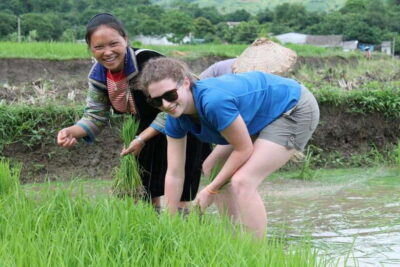 ★ 4.6Sa Pa: Muong Hoa Valley Trek and Local Ethnic VillagesTickets from $23864 traveller reviews
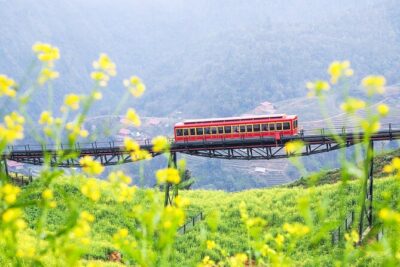 ★ 5.0Sapa: Fansipan Cable, Cat Cat Village & Moana Instagram TourTickets from $30777 traveller reviews
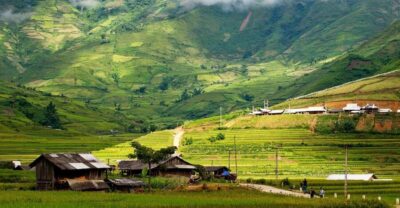 ★ 4.8From Hanoi: 2-Day Sapa Trekking Trip with Homestay & MealsTickets from $71704 traveller reviews
 ★ 5.0Sapa 3 Days 2 Nights Trekking Tour (1 Night In Ta Van Village, 1 Night In Hotel)Tickets from $139699 traveller reviews
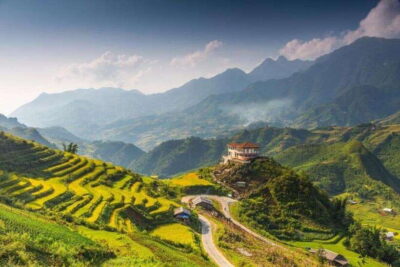 ★ 4.9Sapa: Eco Adventure Terrace Fields and Local Villages TrekTickets from $27636 traveller reviews
 ★ 5.03-Day Trekking Adventure of Sapa from Hanoi – Stay Ta Van VillageTickets from $109611 traveller reviews
More useful Hanoi routes