Review · HANOI
2 Weeks Vietnam and Cambodia – Super Saving – Amazing Experience
A two-week Indochina route can feel like speed dating, unless logistics are handled well. This one is interesting because it threads Vietnam and Cambodia highlights in a tight schedule while keeping key transport, guides, and entrance fees managed for you. I also like the mix of big-ticket sights and hands-on time, like Halong Bay kayaking and the Angkor Thom temple circuit, not just bus windows. One drawback to consider is that the pace is fast, so you’ll need to accept early starts and long travel days like the Phnom Penh and Siem Reap coach transfers.
What really makes this feel like a “super saving” trip is the value stacking. You’re getting 14 nights at 3-star hotels plus a Halong Bay cruise night, domestic flights inside Vietnam, breakfast and some lunches, and a planned schedule with an English speaking guide and punctual drivers. In the real-world reviews, the organizer David Nguy and guide Tommy come up for keeping everything on track. The other consideration is language and food preferences, since vegetarian and vegan options are available only if you request them in advance.
Key highlights to know before you go
- Vietnam group tour, Cambodia private tour: less crowding where you may want more flexibility.
- Halong Bay cruise night plus activities: cave time, kayaking, and fishing villages rather than a quick boat ride.
- Sapa hiking routes: a real trek to Lao Chai and Ta Van with terraced rice views.
- Hoi An day life and My Son: ancient trading-town atmosphere paired with a Cham sanctuary visit.
- Mekong Delta day trip from Ho Chi Minh: countryside drive plus time on the waterway.
- Angkor Thom circuit day: multiple major temples beyond just Angkor Wat.
Two weeks from Hanoi to Angkor, with fewer moving parts
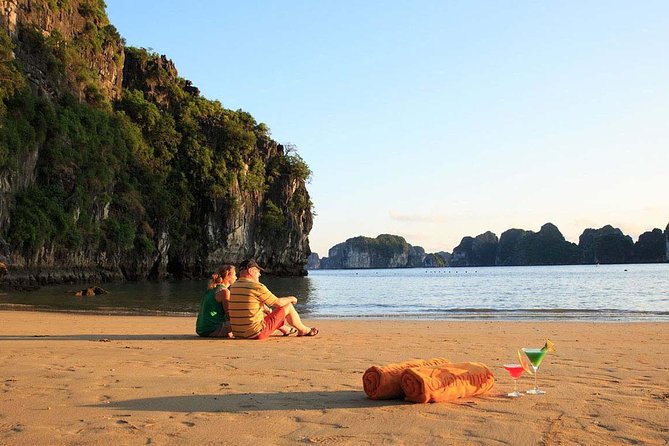
If you’re drawn to Vietnam and Cambodia but hate the admin part, this itinerary is built to reduce friction. You’ll start in Hanoi and end in Siem Reap, with domestic flights in Vietnam already included, plus transfers at airports and key connections by private car or shuttle. The tour runs with a maximum of 20 travelers, which usually means it’s large enough to feel social but small enough that the day-to-day plan doesn’t collapse.
I like that the schedule doesn’t just name-drop places. It gives you early morning options and real-time experiences: a morning start in Halong Bay with Tai Chi, kayaking and cave visits, a Sapa village trek, a Thu Bon River boat moment in Hoi An, and a structured Angkor Thom temple day.
On the other hand, you should go in with the mindset of “see a lot” rather than “slow travel.” This is the kind of trip where your best souvenir might be how smoothly the logistics work, not how many unplanned detours you squeezed in.
You can also read our reviews of more tours and experiences in Hanoi.

Getting oriented in Hanoi, then heading straight for the big stuff
Day one is designed to get you settled fast. You arrive at Noi Bai International Airport, and you’re met by staff holding a signboard with your name. From there, a private driver escorts you into central Hanoi to your accommodation in the Old Quarter area.
This matters more than it sounds. If you’ve ever arrived tired and jet-lagged, you know the first win is not having to figure out transport right away. Staying in the Old Quarter also helps you get your bearings fast on your first night, so the city doesn’t feel like a maze on day one.
Then the tour keeps moving. You’re not stuck in Hanoi forever. The next day is already committed to Halong Bay, so you’ll want to plan your energy accordingly.
Halong Bay cruise: caves, kayaking, and an early start that pays off
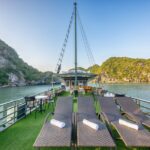
Halong Bay is the centerpiece of the Vietnam stretch, and the schedule reflects that. You depart Hanoi around 8:00 am after breakfast at your hotel. Then you reach the bay area and enjoy lunch onboard a cruise.
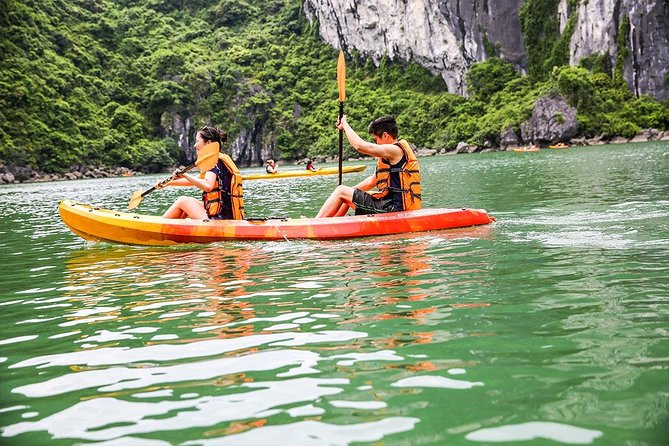
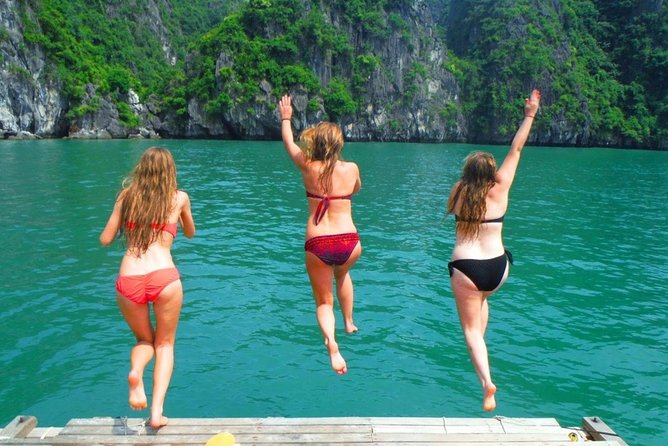
The second day in Halong Bay leans into variety. An early morning Tai Chi sets a calmer tone before you move into action. From there, you kayak around Drum Cave and visit Ba Hang fishing village and Dog Islet, with additional stops along the way. There’s also time for fruit carving as part of the onboard cultural program.
I like this structure because it gives you three different views of the same place:
- Big scenery from the cruise
- Up-close water-level movement by kayak
- Local life glimpses at the fishing village and islet
A realistic consideration: because you’re doing activities plus transfers plus meals, you’ll likely feel “on the move” all day. Wear something you can re-wear comfortably on boats and get ready for damp, breezy weather if the day is cool.
Sapa without the touristy fog: Cat Cat plus a real trek

After Halong Bay, you transfer to Sapa and aim for a morning start. You visit Cat Cat village, which is the kind of place where you can see daily life close up without needing to plan a standalone trip. It’s a good orientation day.
Then comes the part many people actually remember. The next day is a trek to Lao Chai and Ta Van villages. The route is about 7 km and takes around 3.5 hours, with terraced rice views and time to learn about local ethnic minorities life.
This is where the tour earns its value. A lot of shorter Sapa stops feel like a postcard stamp. This one builds a walking day in, so you come away with terrain you can picture later, not just names you read on a sign.
Still, keep expectations honest. “Most travelers can participate” is included, but that doesn’t mean it’s effortless. If you’re sensitive to walking on uneven paths, or you’re traveling with young kids, you’ll want to gauge the trek pace you can handle.
Hoi An: ancient town time plus My Son and the Thu Bon River
Hoi An is your change of pace after the mountains. You fly from Sapa via Da Nang airport, then get picked up and transferred to Hoi An by private car. The schedule gives you leisure time on arrival day, which is smart. Hoi An rewards slow wandering: lantern-lit streets, old shopfronts, and the kind of streets where you keep turning down “just one more” alley.
You also get a My Son Sanctuary day. It’s half-day focused, with pickup after breakfast. My Son was the religious center built under the Cham kingdom, and the visit gives you a different lens on Southeast Asian architecture than the Khmer temples later in Cambodia.
Then there’s the waterway connection. After My Son, you move to a Cau Lau boat station and take a boat trip on the Thu Bon River. Lunch is built in with a soft My Quang style noodle meal.
I like that mix because it balances built heritage (My Son and Hoi An’s old town) with a simple physical break (river time). If you want to photograph without feeling trapped, this day offers breathing room.
Ho Chi Minh City on schedule, with a Mekong Delta day trip to cool the pace
After flying from Da Nang to Ho Chi Minh City, you’re transferred to your hotel and checked in. Then you have time the following day for the Mekong Delta.
The Mekong Delta day trip starts early, with pickup around 7:30 to 7:50 am. You travel along a national highway lined with rice fields, then arrive in the My Tho area. The itinerary includes visits as part of the delta experience, plus a full day out of the city that keeps the trip from feeling repetitive.
The next day adds shopping time with Ben Thanh Market. You’re given free time for shopping and sightseeing, and optional add-ons are offered on request, like a Cu Chi tunnel visit or a Ho Chi Minh City tour.
I recommend treating this stretch like a rhythm reset. Ho Chi Minh City can feel intense, even when you’re only there briefly. The delta helps you balance that with countryside and water views, and Ben Thanh gives you a controlled way to buy souvenirs without hunting all day.
One note: because these are set days, you might want to keep your “must buy” items in mind early, so you can shop efficiently on Ben Thanh day.
Phnom Penh: coach transfer, then the heavy history you should face head-on
Crossing into Cambodia is handled with a bus ride, not a flight. You depart around 8:00 am and ride for about 6 hours, with a border stop for visa process before continuing to Phnom Penh. You check into your hotel, then you get free and easy time to settle.
The next day is the emotionally weighty one. You visit Tuol Sleng Prison Museum and the Killing Fields at ChoeungEk. Lunch is included at a local restaurant.
Even if you’ve read about the Khmer Rouge before, this is not the kind of day you can treat as sightseeing. The value is in how the sites are structured for understanding. You’re not just seeing locations, you’re learning what happened in a way that’s hard to forget.
If you’re sensitive to intense subject matter, plan for a quiet evening afterward. This tour gives you the day, then leaves the rest of your time less structured, which helps you process.
Siem Reap arrival and the Angkor Thom circuit: more than one famous temple
You travel from Phnom Penh to Siem Reap by coach, again around a 6-hour transfer. After checking in, you get free time at your leisure.
That matters because Angkor days can exhaust you. Heat, walking, and temple climbing adds up. Even if you don’t plan much, having downtime the day before Angkor helps you show up with enough energy.
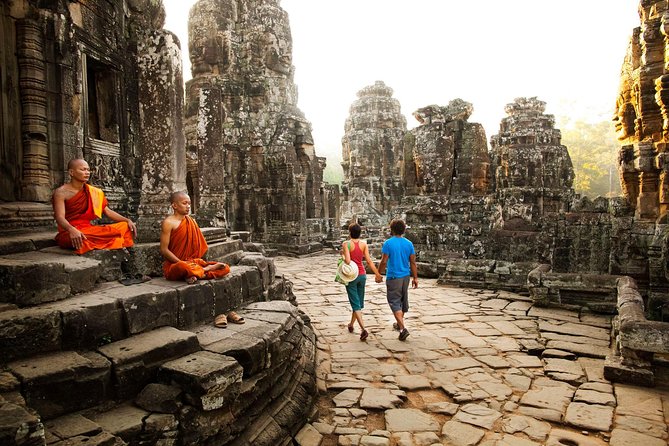
Then you get a full Angkor day focused on Angkor Thom Area. The itinerary starts after breakfast, with a schedule covering major stops including:
- Angkor Thom South Gate
- Bayon Temple
- Baphuon Temple
- Phimean Akas Temple
- Elephants Terrace and Leper King Terrace
- Royal Palace and more in the same circuit
I like this choice because it avoids the common trap of treating Angkor like a single highlight photo. A circuit plan lets you compare styles and scales across multiple structures. It also keeps the day from feeling like you’re just rushing from one stop to another with no context.
Practical note: this is a full day. Bring sun protection and plan to wear shoes you trust.
Price and value: what $1,650 buys when you price out the chaos
At $1,650 per person for roughly 16 days, the tour isn’t cheap in absolute terms, but it’s strong on inclusions. The big-ticket items baked in help most:
- 14 nights at 3-star accommodation plus 1 night on a Halong Bay cruise
- Domestic flights within Vietnam with 20 kg checked luggage and 7 kg carry on
- Entrance fees to attractions on the itinerary
- Transportation as indicated, including private airport transfers
- Meals as indicated, including breakfast every day and multiple lunches, plus one included dinner
- Vegetarian and vegan food options available on request
If you were booking these pieces separately, you’d likely spend time and money coordinating. Here, you get a guide and a planned sequence, with punctuation around transfers and pacing.
The reviews reinforce this “fewer headaches” effect. In multiple accounts, David Nguy is credited for organizing logistics, meeting people early in the trip, and explaining the whole plan. Tommy is also specifically mentioned as a tour guide who kept the experience running smoothly, including internal flights and border crossing elements.
Your main value question is always fit. If you want a guided sampler platter across both countries, this gives it to you. If you want deep immersion in only one country, you might prefer a slower itinerary.
The best fit: who should book this, and who should skip it
This tour fits best if you want:
- A structured highlight route from Hanoi to Angkor
- Domestic flights already included
- A mix of big sights and active moments like kayaking and a trek
- A small group cap of 20 travelers
- A guide-driven plan with punctual transfers
It may not be ideal if:
- You hate early starts and long travel days
- You want lots of unscheduled time in each city
- You’re relying on very specific dietary needs but don’t plan to request them in advance
Should you book this “super saving” Vietnam and Cambodia tour?
If your goal is to check major sights off your list without wrestling buses, flights, and entrance tickets yourself, I think this is a smart way to do it. The itinerary balances scenic highlights with cultural sites, and it uses domestic flights to keep the schedule from becoming one giant overland slog.
My decision logic is simple:
- If you want value through included logistics, this works.
- If you’re okay with a fast pace, you’ll feel energized, not trapped.
- If you need total freedom every day, you might feel boxed in.
If you do book, do one thing that makes a big difference: request your vegetarian or vegan meals at the time of booking. It’s listed as available on request, so you want it handled before you arrive.
FAQ
What’s included in the tour price?
The tour includes 14 nights at 3-star accommodation plus 1 night on a Halong Bay cruise, domestic flights in Vietnam (with baggage limits stated in the inclusions), entrance fees, an experienced English speaking guide, most meals as indicated (including breakfast 16 times and lunch 8 times, plus dinner), and transportation with airport transfers and scheduled shuttles.
Are internal flights included in Vietnam?
Yes. Domestic flights in Vietnam are included, and the package notes 20 kg checked luggage and 7 kg carry on.
Do I need to arrange visas myself?
Yes. Visas for Vietnam and Cambodia are not included. The itinerary also mentions a border stop for visa processing on the coach transfer into Phnom Penh.
What kind of accommodations can I expect?
The package specifies 3-star accommodation for all nights listed, plus 1 night on the Halong Bay cruise.
Is the trip group-based or private?
It’s described as a group tour in Vietnam and a private tour in Cambodia, with a maximum of 20 travelers.
Can the tour handle vegetarian or vegan meals?
Yes. Vegetarian and vegan food options are available on request, and you should plan to communicate your needs ahead of time.