

Review · SAPA TREKKING TOURS
2-Day Sapa Tour – Overnight in Ta Van Village (All in One)
One night in Ta Van changes your Sapa plan. This 2-day tour links terraced views with an overnight homestay in a hill tribe village, so you see Sapa beyond the town. It is a straightforward package: bus in, guided hikes out, then a real village evening.
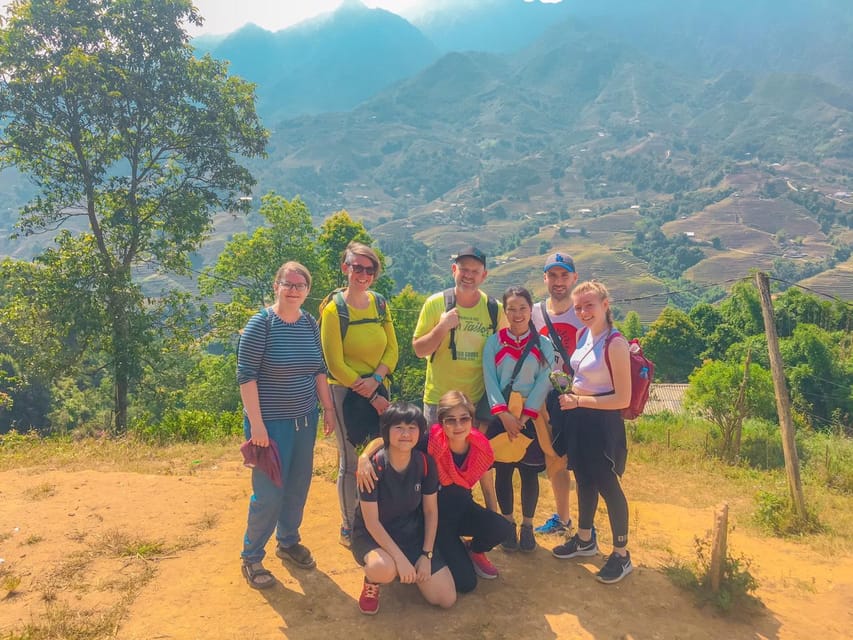
I love that your trekking days are guided by someone who can explain what you are actually seeing, from rice paddies to ethnic village life. I also love the small-group vibe, limited to 10 participants, which keeps the walk and photo stops from feeling like a conveyor belt.
The tradeoff is comfort and weather. The homestay is basic, and you should be ready for cold or foggy conditions depending on the month, plus a long day built around moving between Hanoi, Sapa, and the villages.
Key highlights worth your attention
- Local cultural context on the trek with an English-Vietnamese guide
- Ta Van Village overnight in a bungalow that gives you real family life time
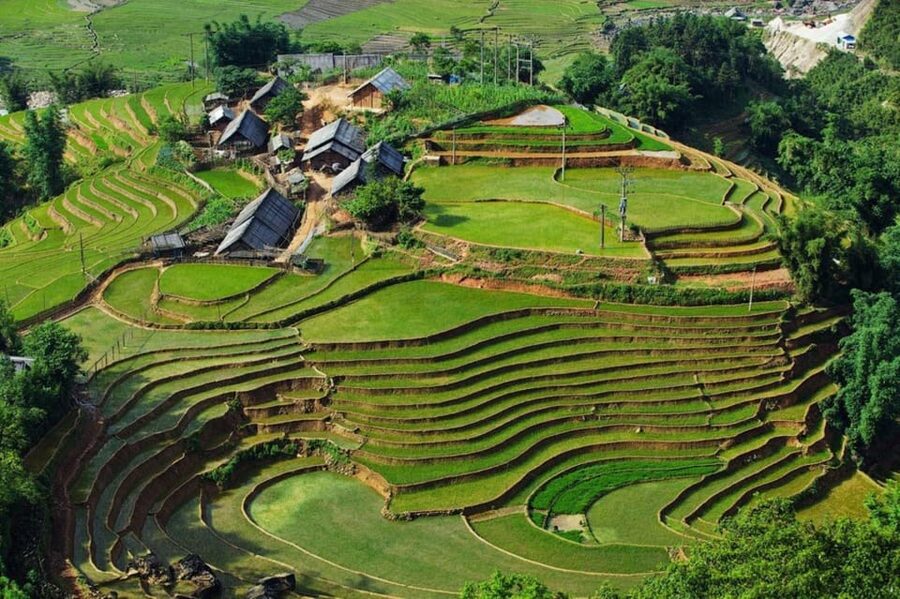
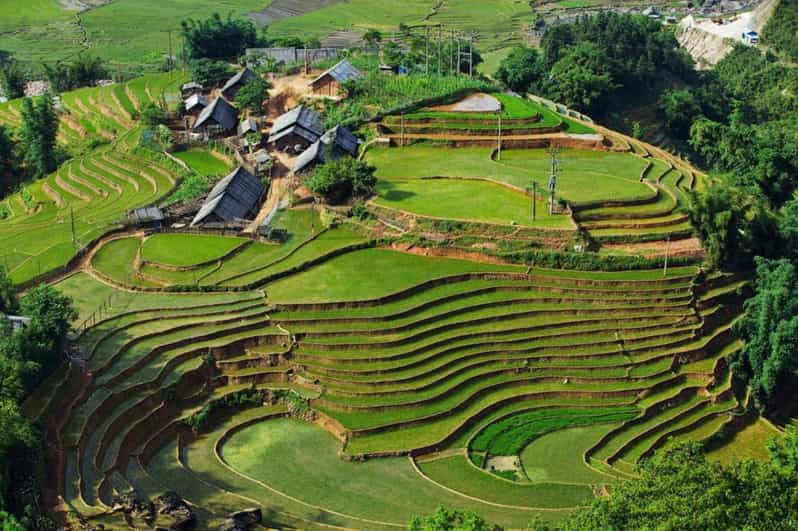
- Day 1 sees the classic rice-terrace route, including Y Linh Ho, Lao Chai, and Muong Hoa Stream
- Day 2 adds bamboo forest and panoramic viewpoints around Giang Ta Chai
- Small group of up to 10 people, so you can ask questions and move at a human pace
- Evening village time, including the option to join a nearby local bar with music
Price and what you actually get for $36
At $36 per person for a full 2 days with round-trip transport and an overnight village stay, this tour is priced to feel like a proper package, not a “pay extra later” deal. You are not just buying a hike. You are buying transport from Hanoi to Sapa, entrance fees, guide time, meals, and a place to sleep in Ta Van.
What makes the value hold up is that the experience is built around two things people usually struggle to organize on their own in northern Vietnam: getting reliable transport up to Sapa, and finding a homestay that fits a short itinerary. If you want to do the same route independently, it usually turns into more planning, more local calls, and more uncertainty about timing.
Still, read the “what you get” carefully. The homestay is basic, and the overnight is in a bungalow or stilt house-style setup, with dorm-style sleeping mentioned. If you expect hotel-level comfort, you will feel the difference fast.
More Hanoi tours and experiences for the shortlist


Getting from Hanoi to Sapa: morning bus vs sleeper option
Most 2-day Sapa tours start early, and this one is no exception. You have two main transfer options, and they change the day’s rhythm.
If you choose the morning bus, you can expect pickup from the Hanoi Old Quarter, then a drive with comfort stops. The program lists a depart time around 6:00 to 6:20, and then breaks at Lao Cai City, with arrival at Sapa Town around 13:00. That means your first big trek starts at 14:30 after lunch, which keeps day 1 busy but manageable.
If you choose the night sleeper bus, you depart Hanoi around 22:20 from the listed pickup area near Hoan Kiem, arrive Sapa around 5:00, then get breakfast and start the tour at 8:00. This version can feel more efficient, but it also means you might be awake for part of the early arrival window.
Either way, the transport is described as modern, with air conditioning, and you get a small bottle of water on the bus. The key thing for you is mindset: this is a “travel days included” style tour, so plan to be flexible with sleep.
Day 1: Y Linh Ho, Lao Chai, and arriving in Ta Van for sunset

Day 1 is the long, scenic build-up. You start with arrival and lunch in Sapa Town, then move straight into trekking mode.
After arrival, you will get a guided lunch at a local restaurant, and then around 14:30 you begin hiking through Y Linh Ho. From there, the route follows rice terraces and the Muong Hoa Stream, heading toward the Black Hmong village of Lao Chai. This is one of those walks where you notice more than just the view. You see how the terraces shape the farming life, and you get guided context on how communities sit in the hills.
The listed trekking distance is about 9 km and takes around 3.5 hours, ending in the late afternoon at Ta Van Village, home of the Giay ethnic group. Expect the timing to feel “just right” if you dress for the weather and pace yourself. If you rush, you will pay for it later at the homestay.
Then comes the best part of day 1: you check in around 17:45, meet the family, and get time to enjoy mountain life at sunset. Dinner is included, and you may be able to join a cooking session with the family. The program also offers an optional evening at a nearby local bar with music, which is a nice way to meet other group members and hear everyday sounds of the area before you sleep.
Overnight in a Ta Van bungalow: what it feels like on the ground
This is an overnight home-based experience, and that matters. You are sleeping in a bungalow or stilt-house style setup described as dorm for the package, and the facilities are basic. The homestay provides clean water and fresh food, which is a solid baseline for comfort in a rural setting.
What you should expect is not luxury, but access. The value is that you are actually inside village time, not just passing through for photos. The schedule gives you the family meeting, then sunset downtime, then dinner, and only after that do you sleep. That flow is what makes the experience feel more human.
It helps that this tour comes with guide support and a family host. You do not need to figure out food rules or village etiquette alone. The key advice here is practical: keep your expectations realistic, bring a warm layer for evenings, and treat the homestay as part of the cultural exchange, not just a bed stop.
Also, Sapa conditions can change quickly. Even if the town seems mild, the village can feel colder at night. The tour specifically flags warmth as important, especially in colder months and during foggy periods.
Day 2 medium trek: rice paddies, bamboo forest, and Giang Ta Chai Bridge

Day 2 starts with breakfast prepared by the family. It is the simplest, most grounding part of the schedule, because you wake up in the village rhythm and then head out again with daylight.
Around 8:45, you walk toward rice paddies where you get a nice photo session of the surrounding scenery. Then the route moves through a bamboo forest and includes a panorama viewpoint of Giang Ta Chai Village, home of the red Dzao people.
The trek distance is listed as about 4 km and lasts about 2 hours. That makes day 2 feel more like a “medium” hike rather than a repeat of day 1. If your legs are tired, you will still feel like you are doing something worthwhile without being wiped out.
Around 11:00, you trek through the Giang Ta Chai Bridge to the main road. Then you head back to the bungalow around noon to shower and prepare for lunch. Lunch is included, and then you get pickup to return toward Sapa.
By mid-afternoon, you also get free time in Sapa Town, roughly 14:00 to 15:00, with a chance to walk around and shop. This is a useful buffer if you want souvenirs or quick snacks without feeling rushed.





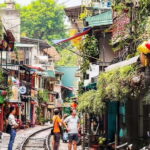
What the free time in Sapa Town is good for

That hour of free time can feel short, but it is timed well. You are not trying to squeeze shopping into the middle of hiking. Instead, you arrive with enough energy to do a quick loop and buy what you actually care about.
The tour highlights traditional costumes you may see when arriving in Sapa Town, including H’Mong, Dzao, and Tay groups. That matters because shopping is easier when you know what you are looking at. Also, if you want to pick up cash and basic supplies, this is when you can do it before heading back to Hanoi.
One practical note: the tour advises taking cash in Vietnam Dong because banking systems in Sapa can be inconsistent. US dollars and euros are mentioned as accepted in Sapa. Plan to carry at least some of each type if you like less stress.
Your guide can make or break the trek

This is where the experience earns its strongest points. The tour uses an English-Vietnamese speaking guide, and the difference is obvious when someone can translate what you are seeing into plain meaning.
In particular, guides Dao and Chang stand out for how they handled the hike, making it feel lighter and more informative. That is not a small detail. On a 9 km day, you are not only walking through scenery. You are walking through time, routes, and village boundaries, and a good guide keeps it moving and understandable.
If you care about culture rather than just distance, this kind of guide helps you notice the small things. You hear why terraces are shaped a certain way, what a village stop represents, and how daily life links to the mountain geography.
And if you are the type who asks questions, a small group helps. With up to 10 people, you are more likely to get answers instead of waiting in line for the next photo.
Homestay reality check: packing, footwear, and staying warm
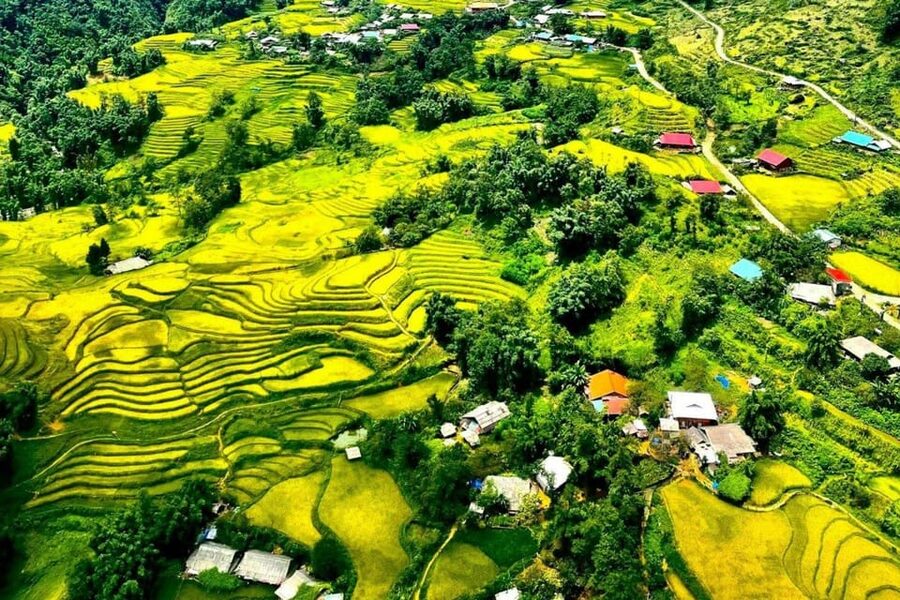
Sapa has a reputation for being unpredictable, and this tour tells you that up front. The months listed as often cold include September through March, and fog is possible in December, January, and February.
For you, that translates into simple packing priorities:
- Warm clothes, scarf, and a hat or cap
- Trekking shoes that can handle uneven paths
- Sunglasses and sun cream, because visibility can still be strong
- Insect repellent, because rural areas can still have bugs
- Basic medicine, in case you need it
The tour also notes altitude and fog risk, which matters for comfort and footing. Fog can reduce visibility on paths, so you will want proper shoes and not rely on flip-flops.
One more tip from the practical side: take cash in Vietnam Dong for small purchases and any unexpected needs. Even if you plan carefully, your best backup is always some local currency in your pocket.
Who this tour suits best, and who should think twice

I like this tour for travelers who want a short but meaningful push into the Sapa villages, with an overnight that actually changes your perspective. If you enjoy guided walks, photo stops, and meeting people, the two-trek structure is a good match. The small group size also helps if you want a calm experience rather than a mass-market stampede.
You might think twice if you want hotel comfort. The homestay is described as basic with dorm-style sleeping. You are also not meant to bring pets, and it is not suitable for wheelchair users.
You should also consider fitness. Day 1 is about 9 km over roughly 3.5 hours, with a long travel day before it. Day 2 is shorter at about 4 km, but you are still trekking after sleeping and eating on a schedule.
If you get motion-sick easily, the bus ride and transfer times are something to plan around. The schedule includes rest stops, but it is still a full day of movement and time on the road.
Should you book this 2-day Ta Van tour?
Book it if you want the mix of guided trekking plus a genuine village overnight in Ta Van, and you are okay with basic accommodations. The route gives you a classic Sapa day on day 1, then a calmer but scenic medium trek on day 2, plus a little Sapa Town time to reset and shop.
Skip or reconsider if comfort is your top priority, because the homestay is basic and the sleeping setup is dorm-style. Also, if cold weather makes you miserable, pack aggressively, because the tour explicitly expects chilly, foggy conditions at times.
One more booking-minded tip: provide your pickup details in Hanoi Old Quarter and leave your WhatsApp or similar contact number for confirmation. That is how you avoid the most common friction point for tours that involve multiple transfer steps. With that done, this $36 package is a smart way to experience Ta Van without turning your Sapa trip into a logistics puzzle.
FAQ
How long is the trek on day 1 and day 2?
Day 1 includes a trek of about 9 km that lasts about 3.5 hours. Day 2 is shorter, about 4 km and around 2 hours.
Where does the tour stay overnight?
The tour includes 1 night in a bungalow or stilt house-style stay (dorm) in Ta Van Village.
What meals are included?
Meals are included as mentioned in the program. You have lunch when arriving in Sapa Town on day 1, dinner at the homestay, breakfast prepared by the family on day 2, and lunch on day 2.
What kind of transport is used between Hanoi and Sapa?
You ride a modern air-conditioned bus or limousine bus from Hanoi to Sapa and return, with a small bottle of water provided on the bus.
Is the tour group large?
No. It is a small group with a limit of 10 participants.
Is the tour wheelchair accessible, and are pets allowed?
It is not suitable for wheelchair users. Pets are not allowed.
More 2-Day Experiences in Hanoi
- Doris Cruise 5 star cruise 2 days visiting Halong Bay Lan Ha Bay private balcony
★ 5.0 · 2,338 reviews


More Tours in Hanoi
- Ninh Binh Full-Day Tour from Hanoi to Hoa Lu, Tam Coc & Mua Cave Via Boat & Bike
★ 5.0 · 4,384 reviews


More Tour Reviews in Hanoi
Not for you? Here's more nearby things to do in Hanoi we have reviewed











More Sapa Trekking Tours to consider.
 ★ 5.0Sapa 2 Days 1 Night From Hanoi – Overnight in Ta Van VillageTickets from $592,669 traveller reviews
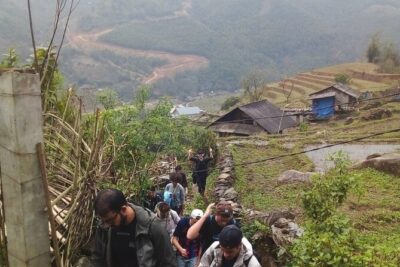 ★ 5.0Hanoi – Sapa 2 Days 1 Night Overnight At HomestayTickets from $89899 traveller reviews
 ★ 4.6Sa Pa: Muong Hoa Valley Trek and Local Ethnic VillagesTickets from $23864 traveller reviews
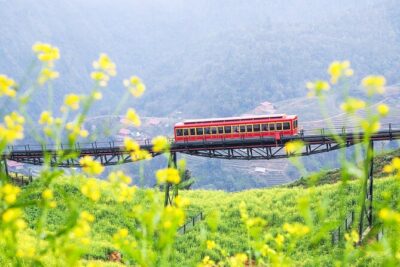 ★ 5.0Sapa: Fansipan Cable, Cat Cat Village & Moana Instagram TourTickets from $30777 traveller reviews
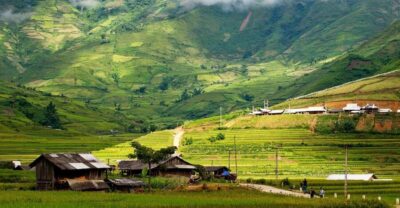 ★ 4.8From Hanoi: 2-Day Sapa Trekking Trip with Homestay & MealsTickets from $71704 traveller reviews
 ★ 5.0Sapa 3 Days 2 Nights Trekking Tour (1 Night In Ta Van Village, 1 Night In Hotel)Tickets from $139699 traveller reviews
 ★ 4.9Sapa: Eco Adventure Terrace Fields and Local Villages TrekTickets from $27636 traveller reviews
 ★ 5.03-Day Trekking Adventure of Sapa from Hanoi – Stay Ta Van VillageTickets from $109611 traveller reviews
More useful Hanoi routes