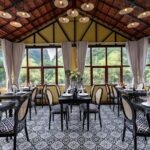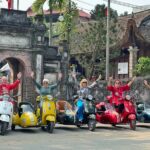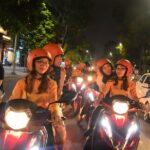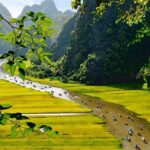
Three days later, my phone felt unnecessary. I love how this Ha Giang Loop package turns the chaos of Hanoi into mountain roads and hill tribe culture, with day after day of big viewpoints and small moments with families.
What I like most is how much you get built in. You’ll ride with an English-speaking guide, stay in basic homestays, eat a mix of breakfasts, lunches, and dinners with local families, and still keep enough flexibility through the motorbike options.
One consideration: you’re trading comfort for the experience. Homestays are basic, and the plan depends on good weather, so you should expect long driving days and simple accommodations.
Key highlights worth getting excited about
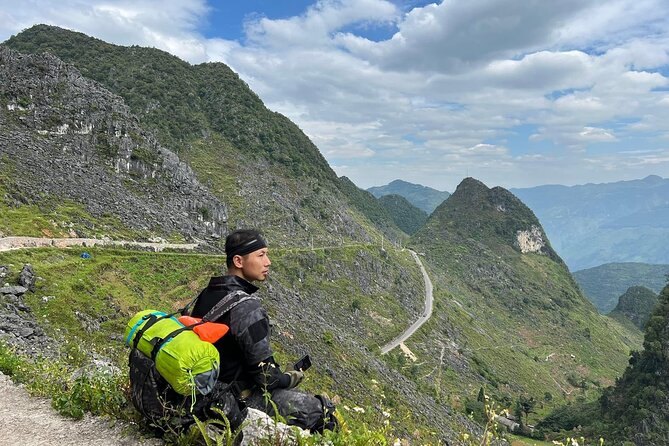
- Quan Ba Heaven Gate and Bac Sum Pass views: rice terraces, rolling valleys, and major viewpoint time early in the trip.
- Vuong’s Family Palace in Dong Van: a stop tied to local history, with a mix of architectural influences.
- Ma Pi Leng Pass photo stops plus Tu San Canyon: legendary pass scenery and a dramatic canyon break.
- Nho Que River boat trip: one of the calmer segments, from a high viewpoint to time on the water.
- Du Gia homestay and Du Gia Waterfall swim: a peaceful end that feels worlds apart from the road.
Hanoi to Ha Giang: the “start easy” part
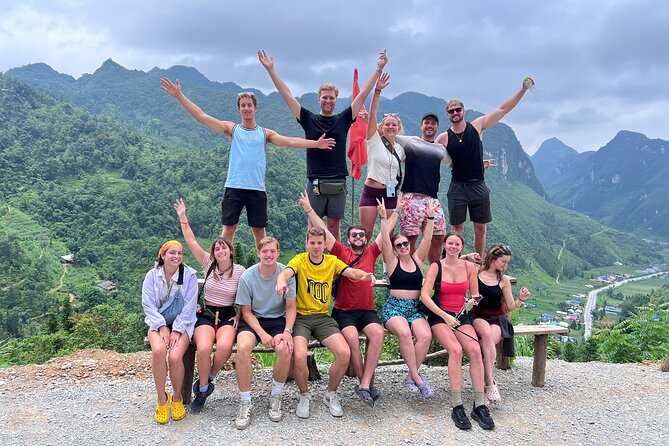
Most Ha Giang Loop tours start the hard way. This one helps you get on track quickly with an air-conditioned VIP cabin bus transfer from Hanoi to Ha Giang. Pickup is also offered, which matters if you do not want to hunt down meeting points after a long day of travel.
The goal here is simple: get you into the loop without stress. Once you’re up in the mountains, the real work starts, winding routes, passes, and the kind of scenery where you keep forgetting to check your phone. The bus gives you that head start.
Also, the “mobile ticket” is one of those small modern comforts. If you hate paperwork, this is for you.
More Hanoi tours and experiences for the shortlist


Day 1: Heaven Gate, Can Ty Pass, Tham Ma Pass, and a lively Dong Van night
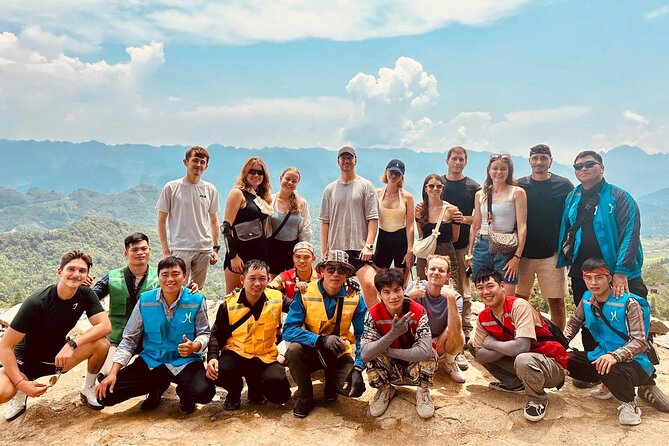
Day 1 is built like a warm-up that still feels epic. You start at Bac Sum Pass, then head to Quan Ba Sky Gate, with panoramic views stretching over rolling green hills and valleys. The rice terraces and high viewpoints are the classic Ha Giang opener, and it’s a good first taste before you get serious about the driving.
Next comes Can Ty Pass, with limestone cliffs and winding roads. This is the day’s “green and stone” mix: terraces in the valleys, then harder mountain edges as you climb. If you like photography, this is where your memory card starts earning its keep.
After lunch in Yen Minh, you ride through Tham Ma Pass. It’s listed as an awe-inspiring pass with mountain vistas, and that tracks with how these high passes work. You stop, you look, you realize the road keeps going, and you get that feeling of being far from the world you left behind in Hanoi.
Then you shift from scenery to story with Vuong’s Family Palace in the Dinh Vua Meo area. You get a chance to see a historical site connected to the life of the H’mong King, and the mix of Chinese and French architectural style gives it extra texture beyond the usual viewpoint routine. It’s also a nice break from constant riding.
Finally, you land in Dong Van. The plan is check-in around 5:00 PM, then dinner at 7:00 PM. Nighttime energy matters in Dong Van, and this itinerary leans into it with an evening karaoke party. It’s a fun way to meet people from different countries and share what you’re seeing, even if your Vietnamese is limited to hello and thank you.
What to watch on Day 1
You’re stacking passes and viewpoint stops early. If you get motion-sick, plan for it. Bring water, take short breaks at stops, and remember you’ll feel the big climbs more on the second and third days.
Day 1 drivers and group vibe: safety plus fun
A big reason people return to this style of loop is the human factor. In the feedback I’ve seen, drivers are repeatedly praised as great, careful, and genuinely fun to ride with. Names that come up again and again include Hai, Tai, Huey, and Pha, plus Momo in the group support role.
Even without knowing who you’ll get ahead of time, the pattern is clear: you’re not just buying transport, you’re buying someone who knows how to drive these roads and keep morale up. That matters because Ha Giang roads can feel intense if you’re used to highways.
Day 2: Ma Pi Leng Pass, Tu San Canyon, Nho Que River, and Du Gia
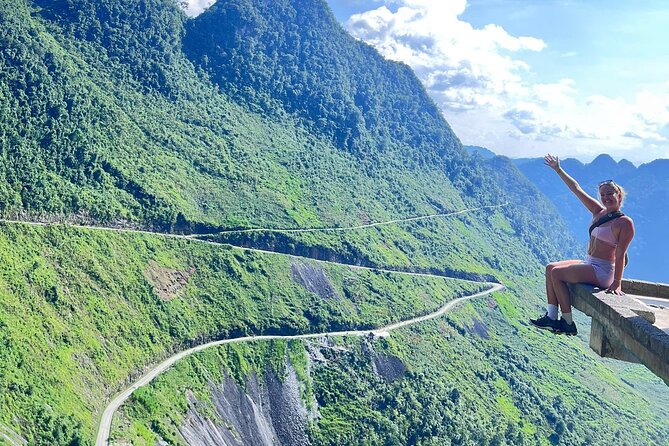
Day 2 is where Ha Giang stops being “a trip” and starts feeling like a full-on journey.
You start after morning breakfast with Ma Pi Leng Pass. It’s called one of Vietnam’s four greatest mountain passes, and that reputation exists for a reason: you get major views out over the region. You’ll stop at various points to admire what the road is revealing.
Then you move to Tu San Canyon, a classic canyon moment in this loop. Canyons change the soundscape and the light, and they also give your legs something to do besides bouncing in a seat.
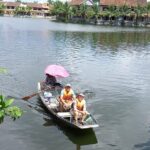
After that, you check in at the Nho Que River viewpoint. From up high, the Nho Que can look almost unreal, like a green stripe running through the rock and mist. And this itinerary doesn’t just point at it, it gets you on the water.
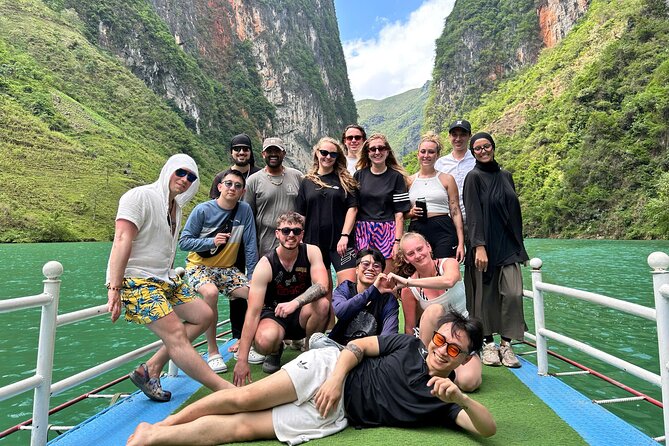
The big highlight is the Nho Que River boat trip. It’s listed as a long segment, so plan on spending a substantial chunk of time here. This is your decompression break. After hours of roads and cliffs, the boat ride brings the pace down, and it lets you actually take in the river corridor without the constant stop-and-start feeling of driving.
You also stop at scenic spots before reaching Du Gia, including Lung Ho Pass viewpoint and Lung Ho viewpoint. These are the “one more look” stops that make the day feel like it’s constantly shifting scenery.
Then you reach Du Gia for your homestay. The plan includes dinner around 7:00 PM, and this is where the loop starts to feel more local. You’re not just watching Ha Giang, you’re staying inside it.

Timing reality check for Day 2
Day 2 is long. Even when you’re doing viewpoints, the roads between stops take time. If you’re traveling with a tight schedule, this is not the trip for you. If you want to slow down in a place that forces you to, it’s a perfect fit.
Day 2’s calm moment: why the boat ride matters
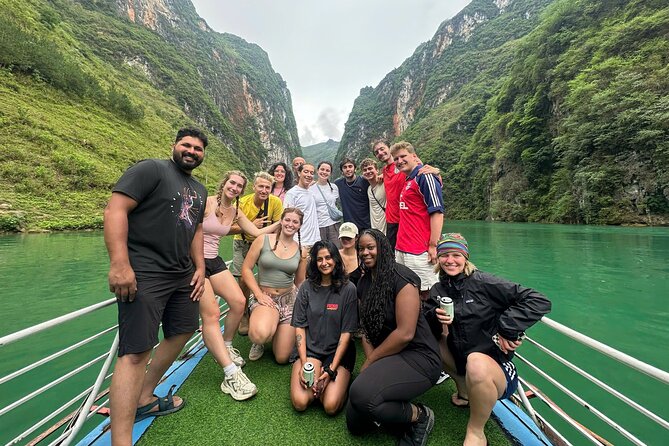
People often rush through river time on other tours. Here, the itinerary explicitly includes the Nho Que River boat trip, and that’s smart for two reasons.
First, it balances the day. Passes and canyon roads can be visually intense. Second, it changes your perspective. From the boat you can see the river corridor differently than you do from viewpoints above, which is what makes this stop feel like more than a photo break.
If your ideal travel day includes one stretch where you stop trying to “do more,” this boat segment is that moment.
Day 3: Du Gia Waterfall swim, Duong Thuong viewpoint, and back to Ha Giang
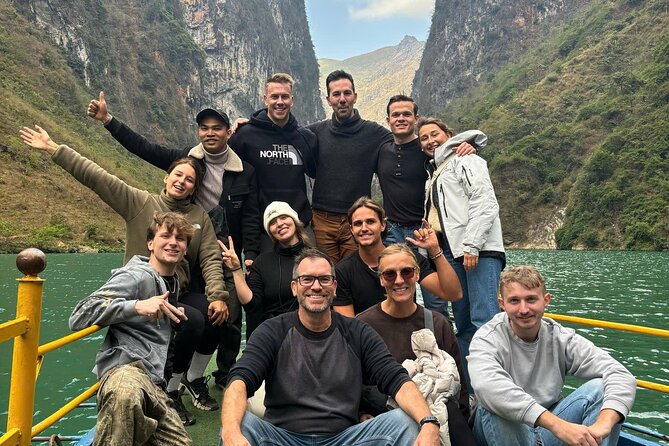
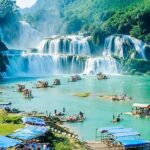
Day 3 is the gentler finish, and I like that. After the long roads of Day 1 and Day 2, you start with Du Gia Waterfall and time to swim. The plan lists a 2-hour slot, which is enough time to cool off without turning the morning into a full-day detour.
After that you head to Duong Thuong Viewpoint, with another 2-hour scenic stop time. This viewpoint is remote on the way back to Ha Giang, so it feels like a final “look at what you came through” moment.
Then you return to Ha Giang for a reset: relax and shower, and get fresh before the pickup. The itinerary gives about 2 hours for this part, which is a real quality-of-life feature if you’ve been on the move and riding for days.
Homestays and meals: what you’re actually paying for
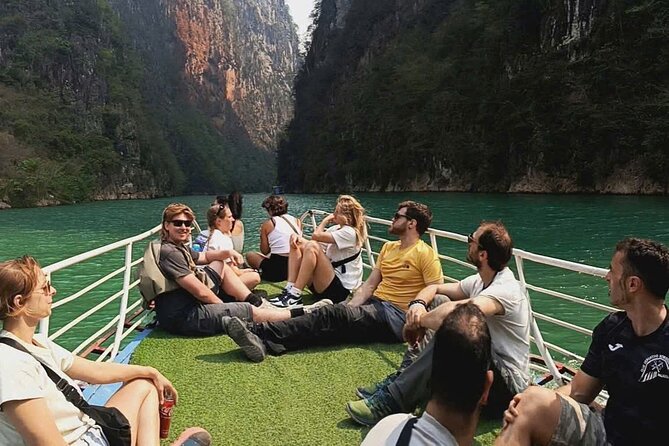
This style of loop tour usually gets described as “scenery plus culture.” In practice, the culture part is mostly about the homestays and meals with local families.
You get 3 nights of basic authentic homestays, plus breakfasts, lunches, and dinners. The dinners you’re listed as getting include at least two dinners, and there are meals on all days through the structure of breakfast and lunch inclusions. These meals matter because they put you around the rhythms of the villages rather than treating the region like an outdoor theme park.
The homestay setting is also where group dynamics form. People swap photos, talk about the roads, and figure out who likes what pass best. Even the karaoke night in Dong Van is basically this same idea in social form.
A note on comfort: basic homestays are part of the value. If you need hotel-level amenities, this might feel like a tradeoff.
Motorbike options and comfort choices, without the stress
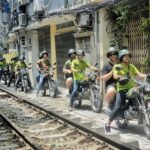
The tour summary says you can choose between self-driving, easy-rider, or private car options. That flexibility is not a small detail in Ha Giang, it’s the difference between enjoying the ride and spending your day worried.
This package also includes motorbike rental, fuel, helmets, and protections. That’s exactly what you want from a tour. You’re not forced to negotiate rentals or figure out safety gear at the last minute.
If you’re an experienced rider and you want control, self-driving can feel freeing. If you’d rather not stress, easy-rider shifts the driving to the professionals. If you just want to see everything without the ride pressure, private car is the calmest option.
Good guides make the loop easier, not just louder
The loop depends on driving skill, timing, and pacing. The names that show up in the most positive feedback include Hai, Tai, Huey, Pha, and the group support role Momo. People also describe drivers as professional and fun, and they repeatedly mention feeling safe.
So yes, you’re buying passes and viewpoints. But you’re also buying a smooth rhythm between stops, plus a guide and drivers who know how to keep the experience enjoyable. In a place where a wrong turn can ruin your day, that matters.
Price and value: $136 is about what’s included
At $136 per person, the big question is what you’re really paying for. This package bundles transportation from Hanoi, 3 nights of homestays, most of your meals, an English-speaking guide, the Nho Que River boat trip, and motorbike-related essentials like helmets and protections.
You’re also getting a structured plan that covers multiple major stops over about 3 days, with enough time to do the signature pass moments. If you were to assemble this yourself, you’d likely spend time on coordination and lose the convenience of a single team handling the flow.
Now for the honest part: you still need to accept the reality of basic accommodations and long road days. But as a packaged deal that includes both logistics and the key experiences, it’s strong value.
Itinerary details, stop by stop: what each one gives you
Here’s how the stops function, beyond the names:
Quan Ba Sky Gate and the early pass rhythm
This is your warm start, high enough for views, close enough that you don’t start exhausted. If you’re craving big scenery from day one, this delivers.
Can Ty Pass and the limestone feeling
Limestone cliffs change the character of the ride. It’s not just green valleys, it’s hard mountain structure and tighter roads.
Tham Ma Pass
This is where the loop starts to feel less like sightseeing and more like being inside the mountains. The value is in the repeated stops that let you look without constantly moving.
Vuong’s Family Palace in Dong Van area
A historical stop gives your brain a break. When you’re seeing pass after pass, adding a cultural site helps the trip feel balanced.
Ma Pi Leng Pass and Tu San Canyon on Day 2
These are the “big ticket” scenery days. The pass gives you wide views, the canyon gives you drama, and together they make the second day feel like the headline.
Nho Que River boat trip
This is the reset. It slows everything down and turns the mountains into reflections and river rhythm.
Du Gia Waterfall and Duong Thuong viewpoint
The ending is built for freshness and calm. The swim is the reward, and the viewpoint is the farewell.
Weather, road time, and how to prepare so you enjoy it
This experience requires good weather. In Ha Giang, weather can affect road conditions and overall comfort. Build your schedule with the understanding that plans might shift if conditions are poor, and you’ll feel less irritated if reality changes.
For your personal prep, I suggest you pack like you’re doing a mix of riding and village life. Comfortable shoes matter, a light jacket helps when you’re higher up, and bring swim-ready items if you want to use the Du Gia Waterfall time.
Also, if you’re prone to motion sickness, take it seriously. Riding and winding roads are part of the plan.
Who this 3-day Ha Giang Loop from Hanoi is best for
This loop fits best if you want:
- A structured route without having to plan every pass and stop
- Homestays and local meals, not just hotels
- A mix of major viewpoints plus a river boat break
- A group experience with social moments, like the Dong Van karaoke night
It’s less ideal if you want a slow, fully comfortable trip with no long driving. It’s also not a match if you hate basic lodging or you cannot handle changes tied to weather.
If you travel solo, this is often a good option because the group side creates easy conversation. If you travel with a friend, you still get the bonding, plus you share the day’s comparisons: which pass was best, which meal was better, and where the photos actually turned out.
Should you book this Ha Giang Loop 3-day small group from Hanoi?
If you want the Ha Giang Loop experience in about three days, with the key passes and the Nho Que River boat trip included, this is a solid choice. The package is strong on value because it covers transportation from Hanoi, homestays, meals, guide support, and the signature activities.
Book it if you’re excited by roads, viewpoints, and village life, and you can handle basic accommodations for the sake of the experience. Skip it if you need hotel comfort, short travel days, or a completely weather-proof itinerary.
If you do book, pick the motorbike option that matches your confidence. The included helmets and protections are there to help, but your comfort level still decides whether this trip feels fun or stressful.